
Our projects
A project portfolio based on impact efficiency
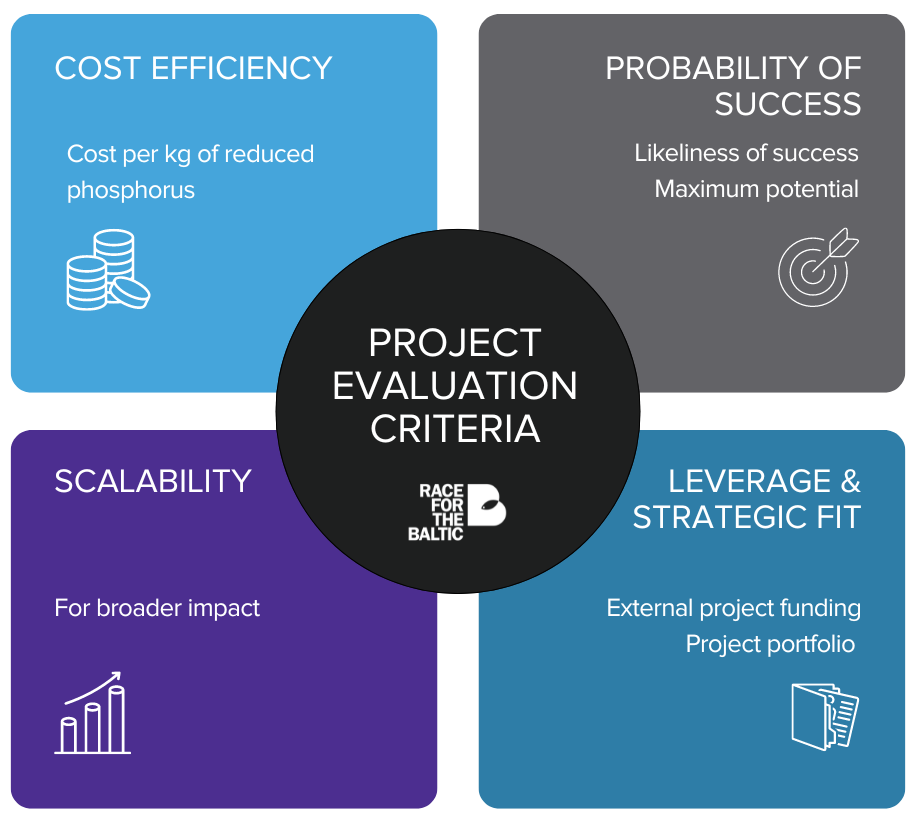
The overall objective is to achieve maximum return for the Baltic Sea on the foundation’s assets. Return is measured as reduction of phosphorus [1] in the Baltic Sea. The evaluation considers several aspects such as:
Cost per kg of reduced phosphorus
Likeliness of success
Scalability
Access to external project funding, providing leverage
Maximum potential
Strategic fit with the organisation
Project portfolio aspects (i.e. projects with large potential as well as projects with short term measurable results)
Race For The Baltic has built a project portfolio from which projects are evaluated and prioritised based on the requirements above. We continuously scout for new project ideas and are always interested in suggestions.
[1] Impact can best be measured using the Baltic Sea Impact Index. However this can normally be boiled down to phosphorus reduction, which is therefore used as the normal currency in RFTB’s evaluations and e.g. other nutrients are converted into phosphorus equivalents.
-
![]()
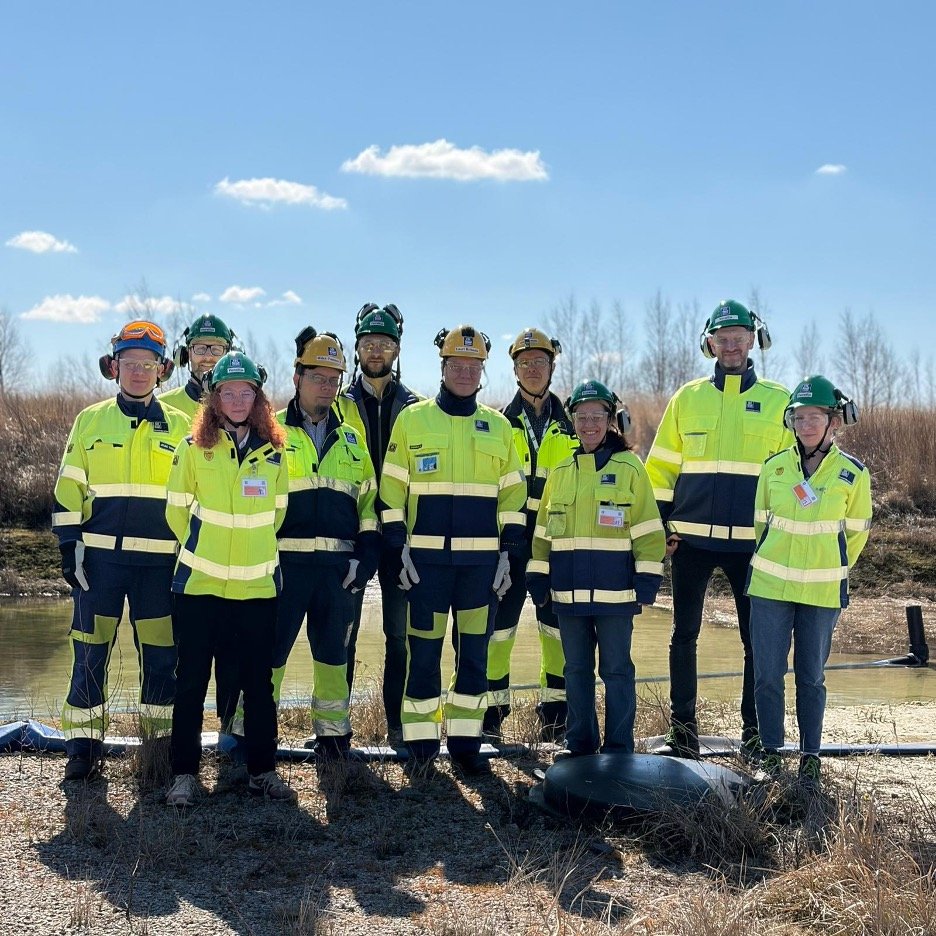
Production project
Identifying nutrient leakage points in fertiliser production and developing a cooperation framework with large fertiliser manufacturers and port operators in the Baltic Sea region.
-
![]()
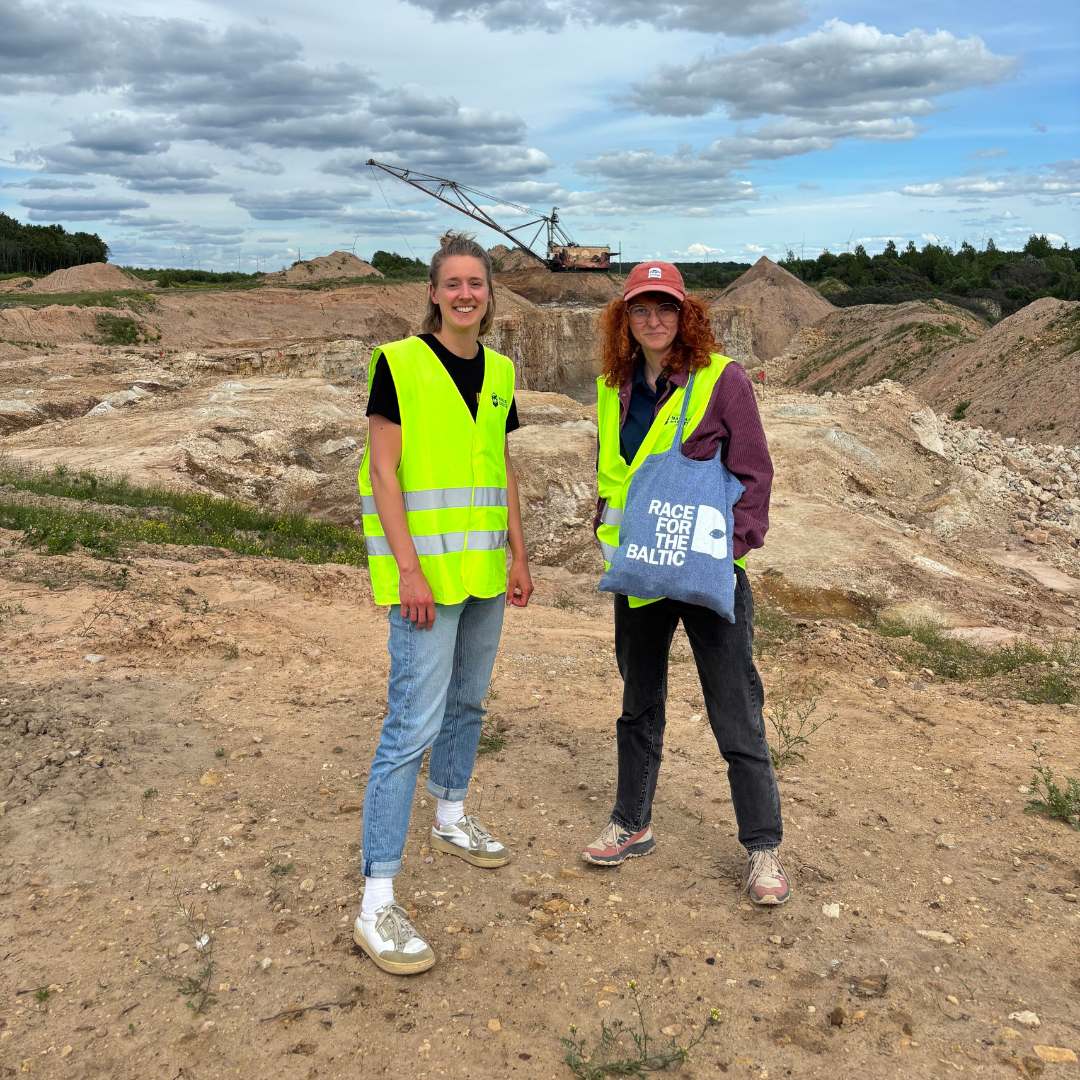
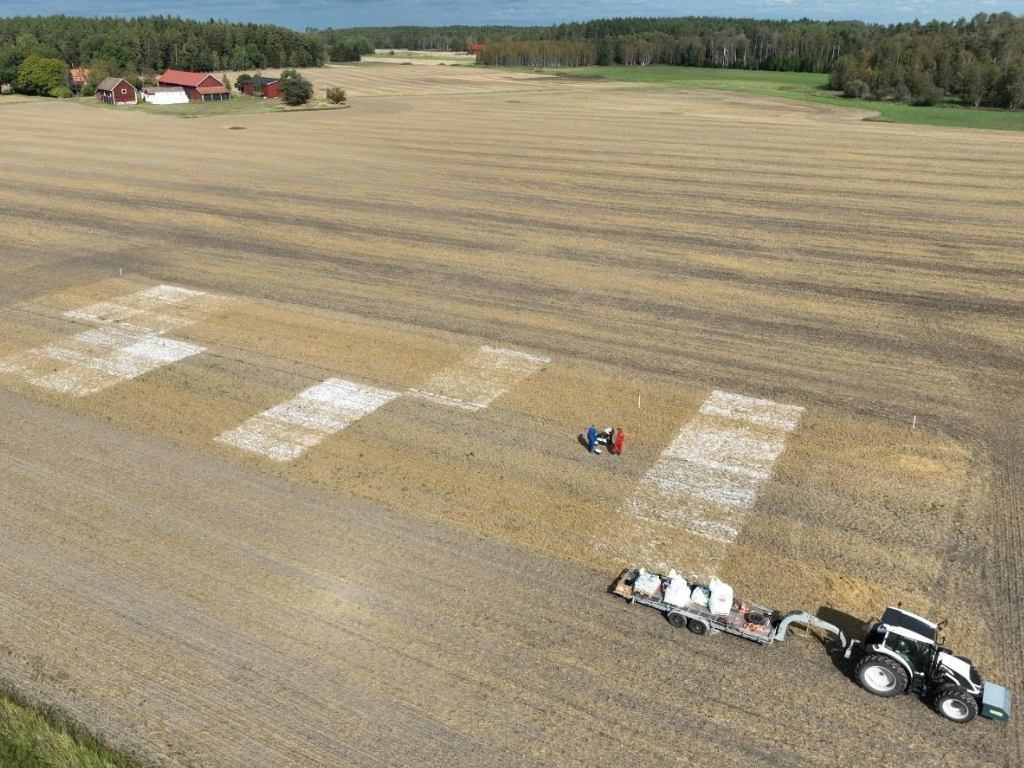
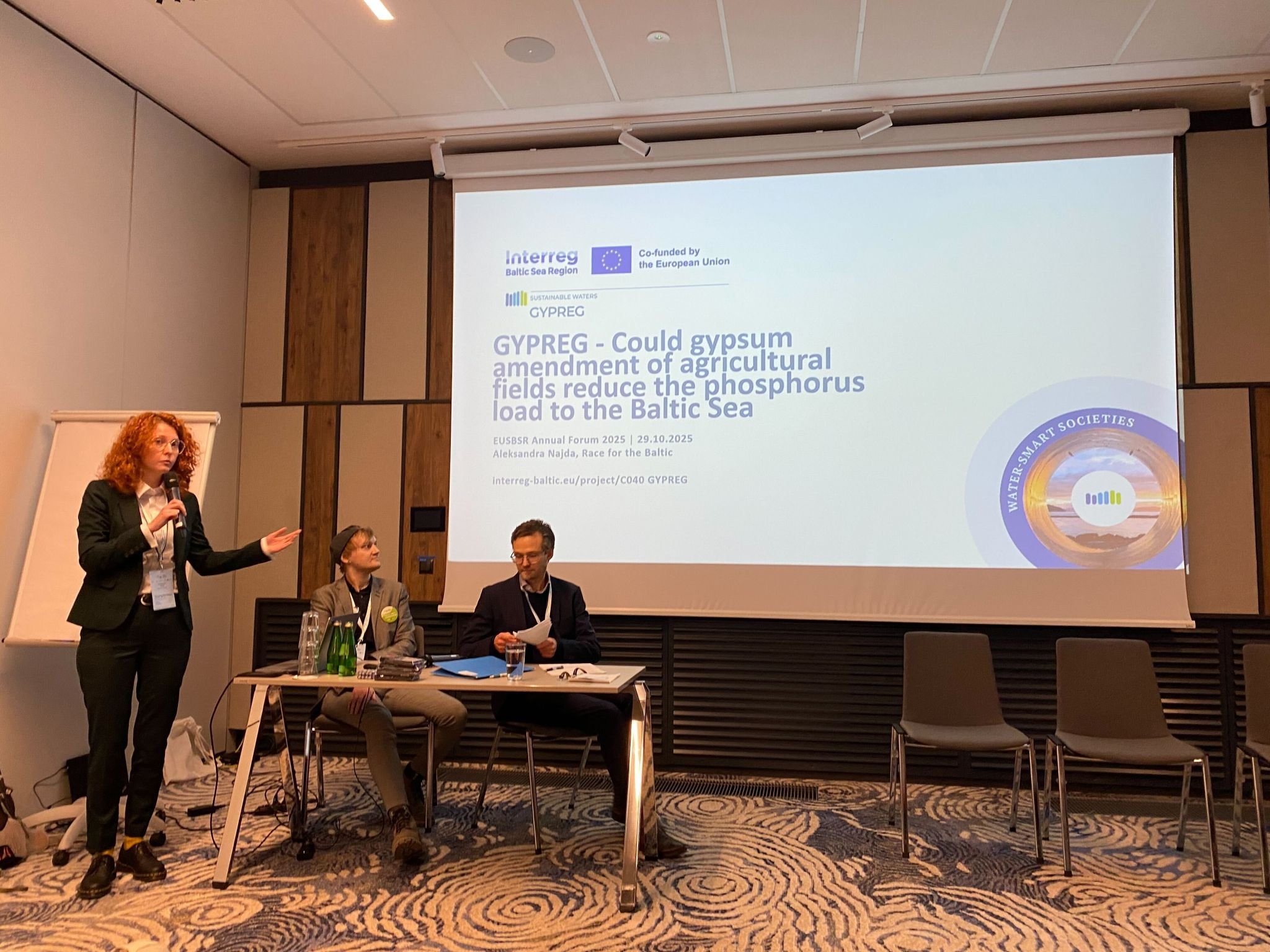
GYPREG project
Reducing nutrient leakage by applying gypsum to farmlands, a method shown to reduce phosphorus runoff and soil erosion.
-
![]()
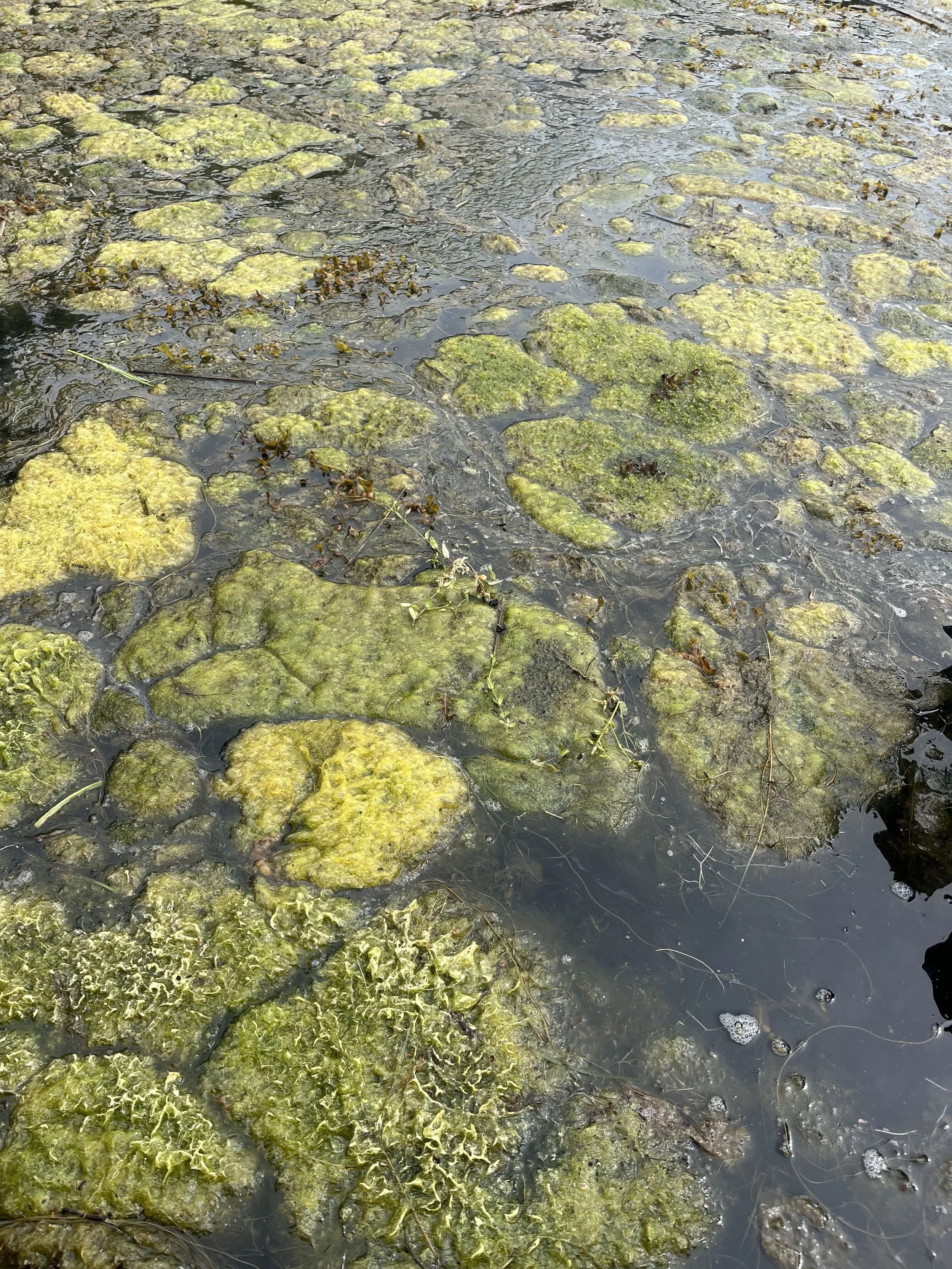
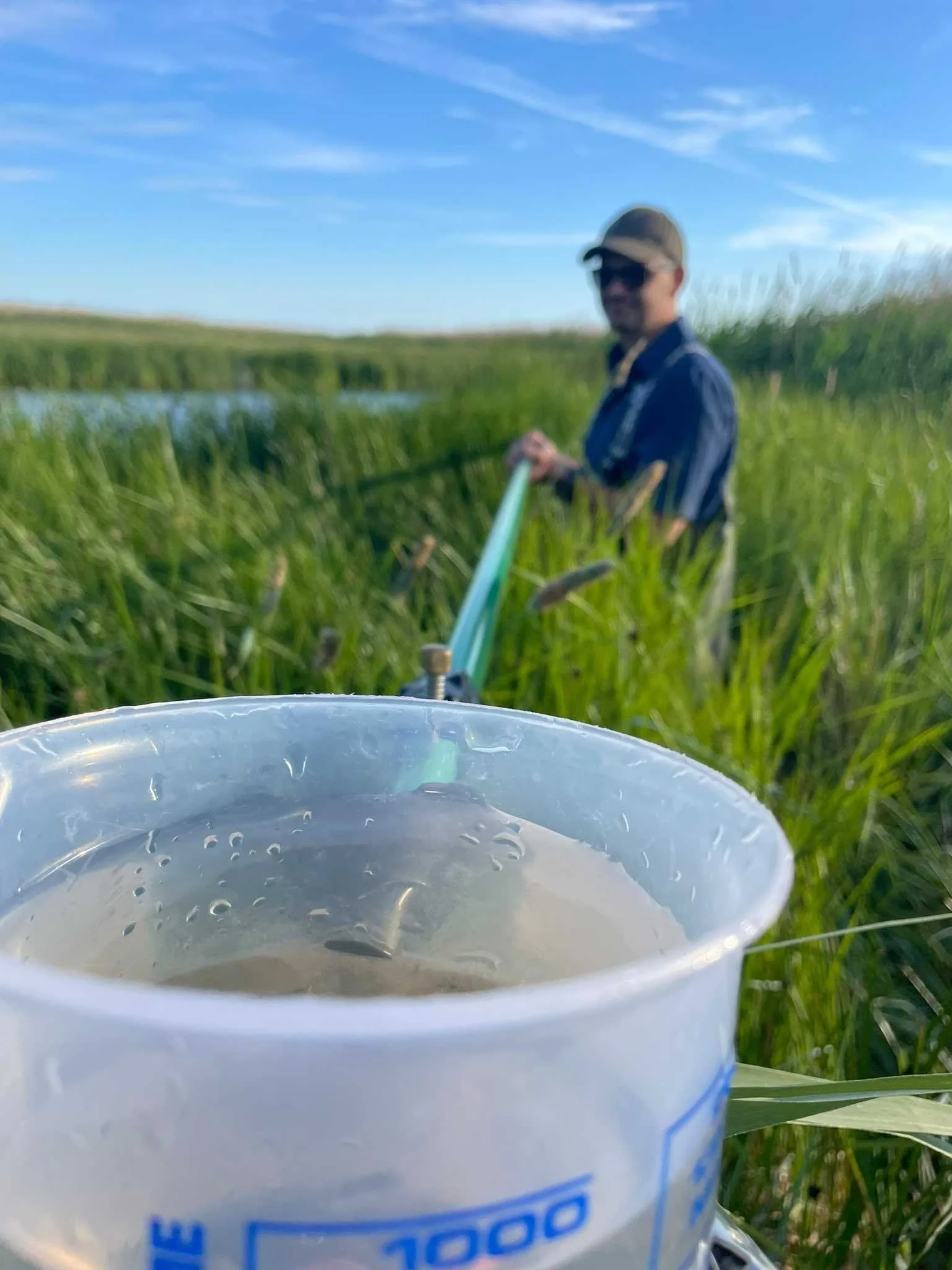
Restoration Gotland
Investigating the possibility of treating oxygen-free areas in the Baltic Sea while simultaneously improving the water quality of two bays on Gotland.
-
![]()
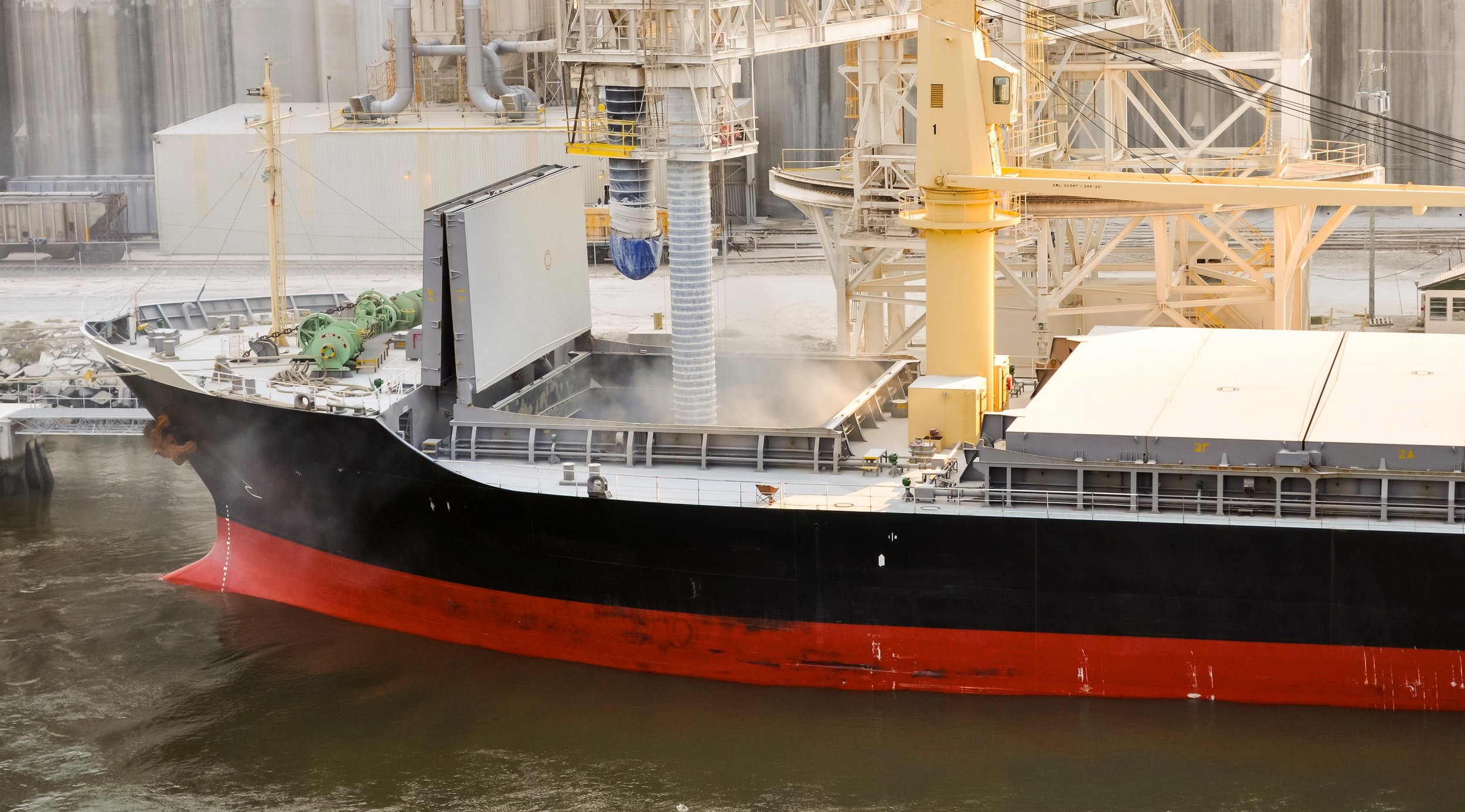
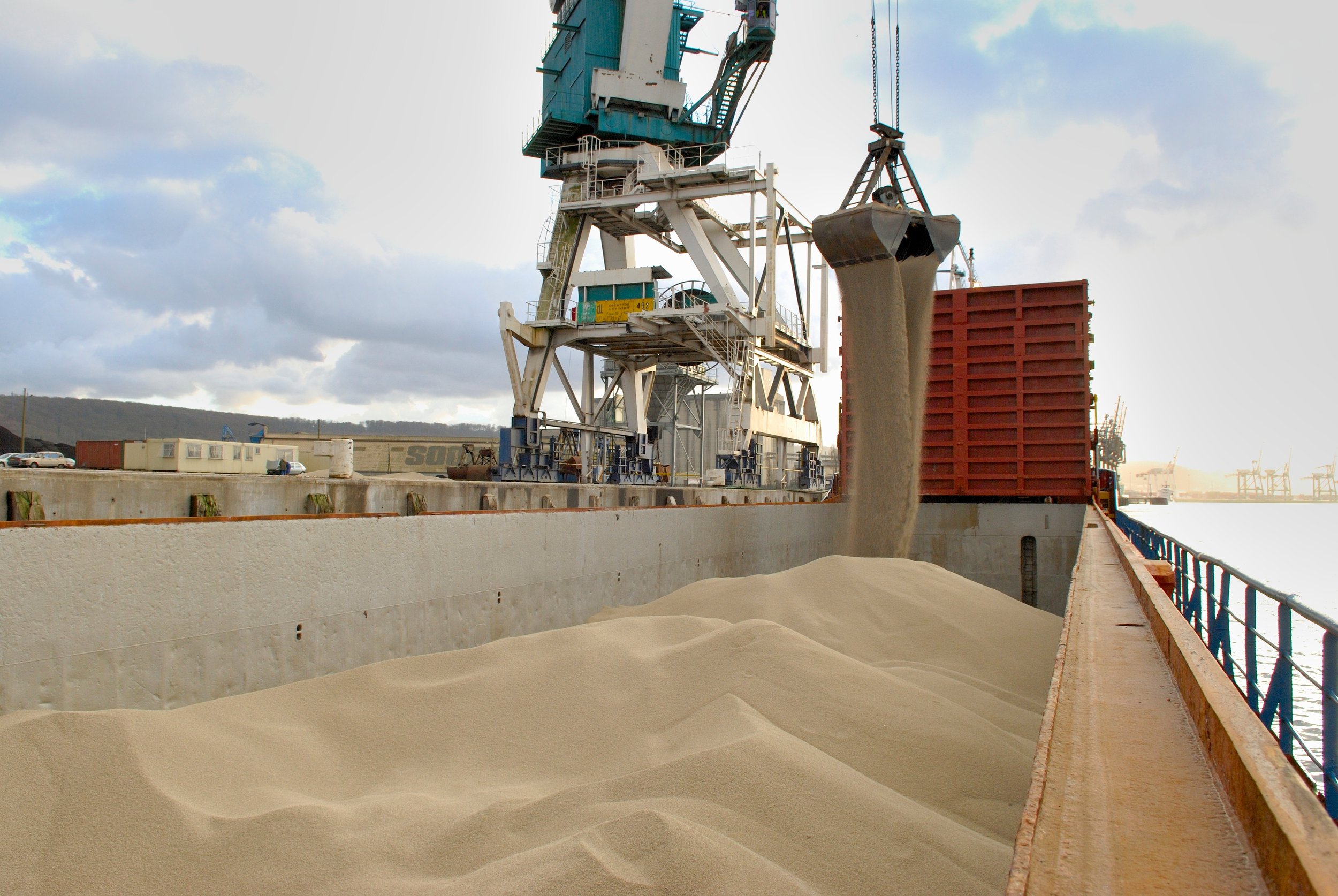
Dry Bulk project
Minimising environmental impact from dry bulk cargo in Baltic ports
-
![]()
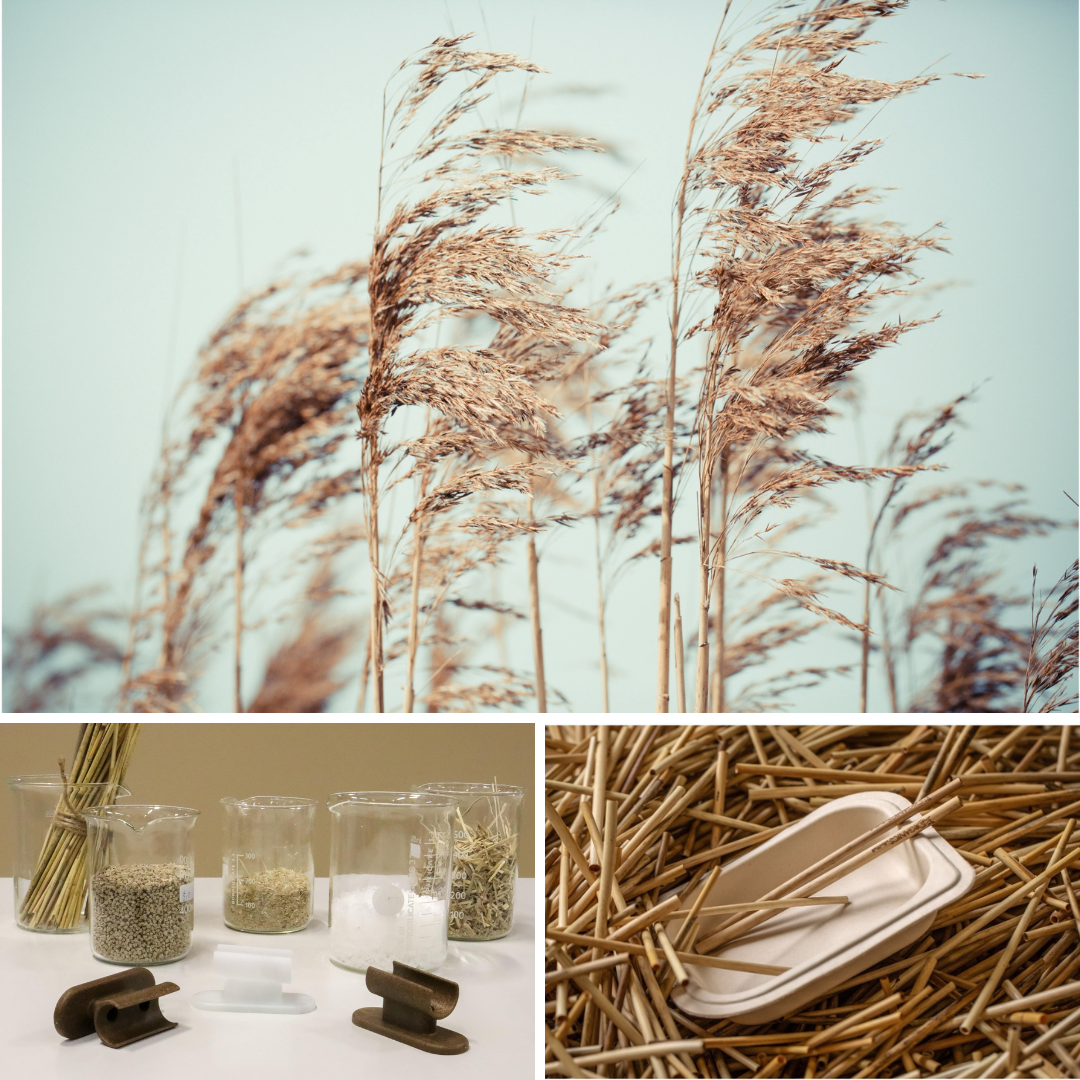
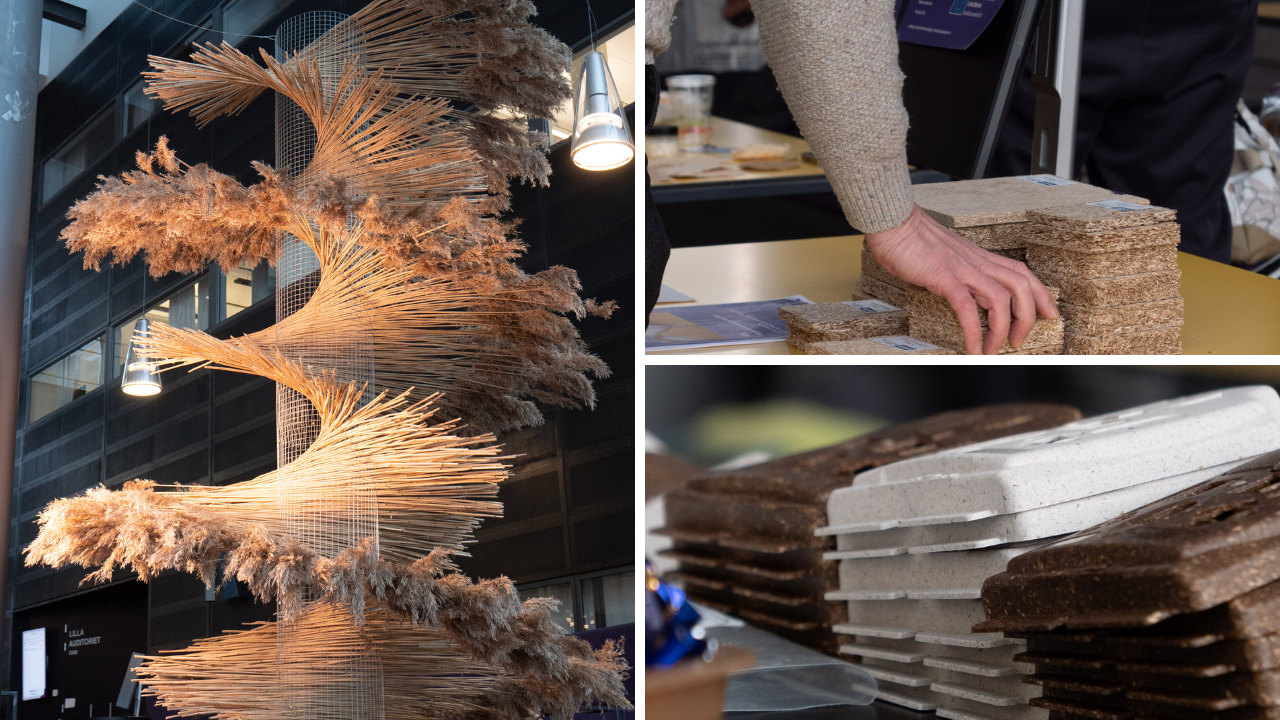
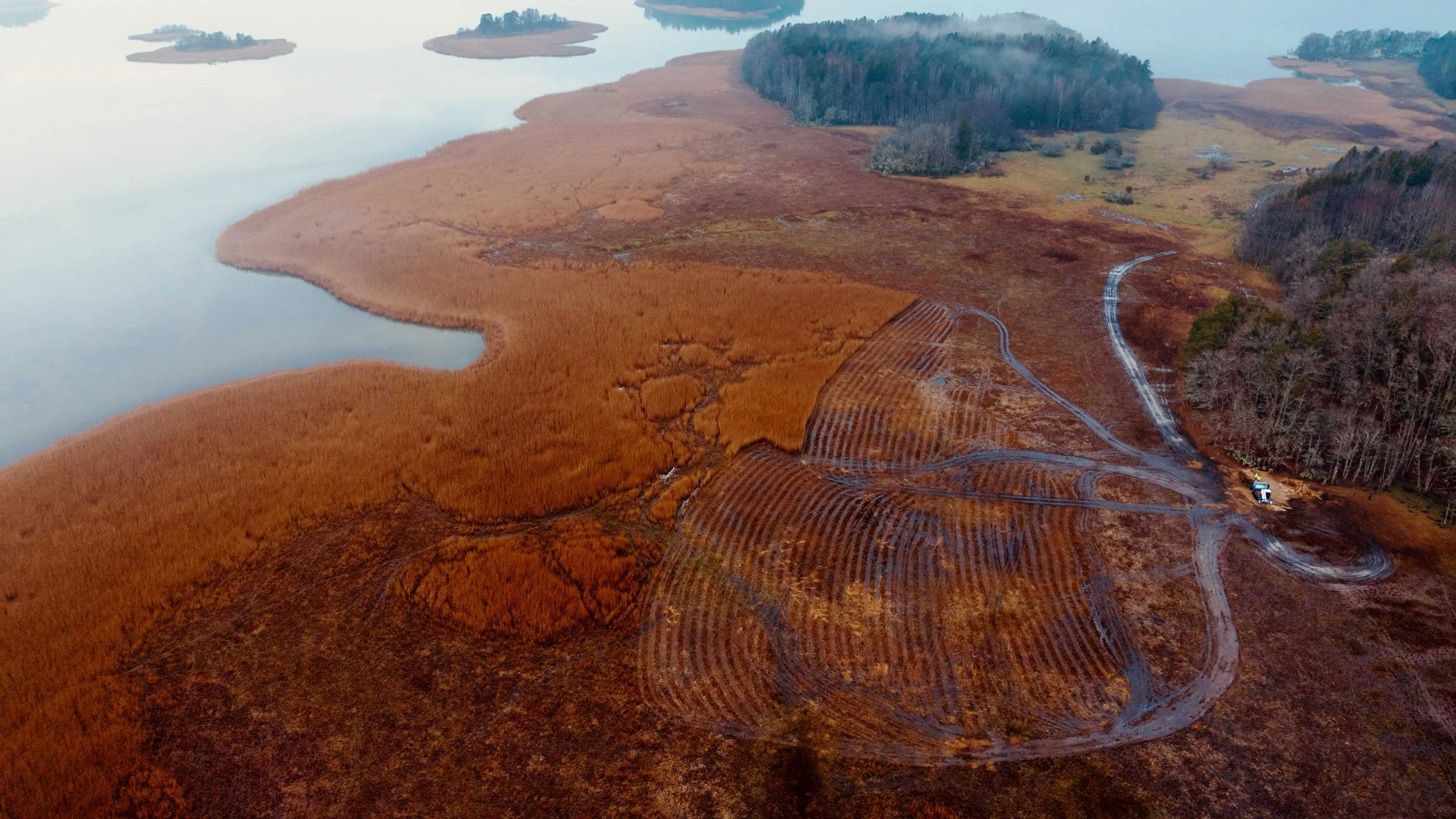
ReCreateBiobased
Circular solutions for underutilised common reed
-
![Resilient Sea]()
Resilient Sea
Restoring coastal vitality through nature-based solutions
-
![]()
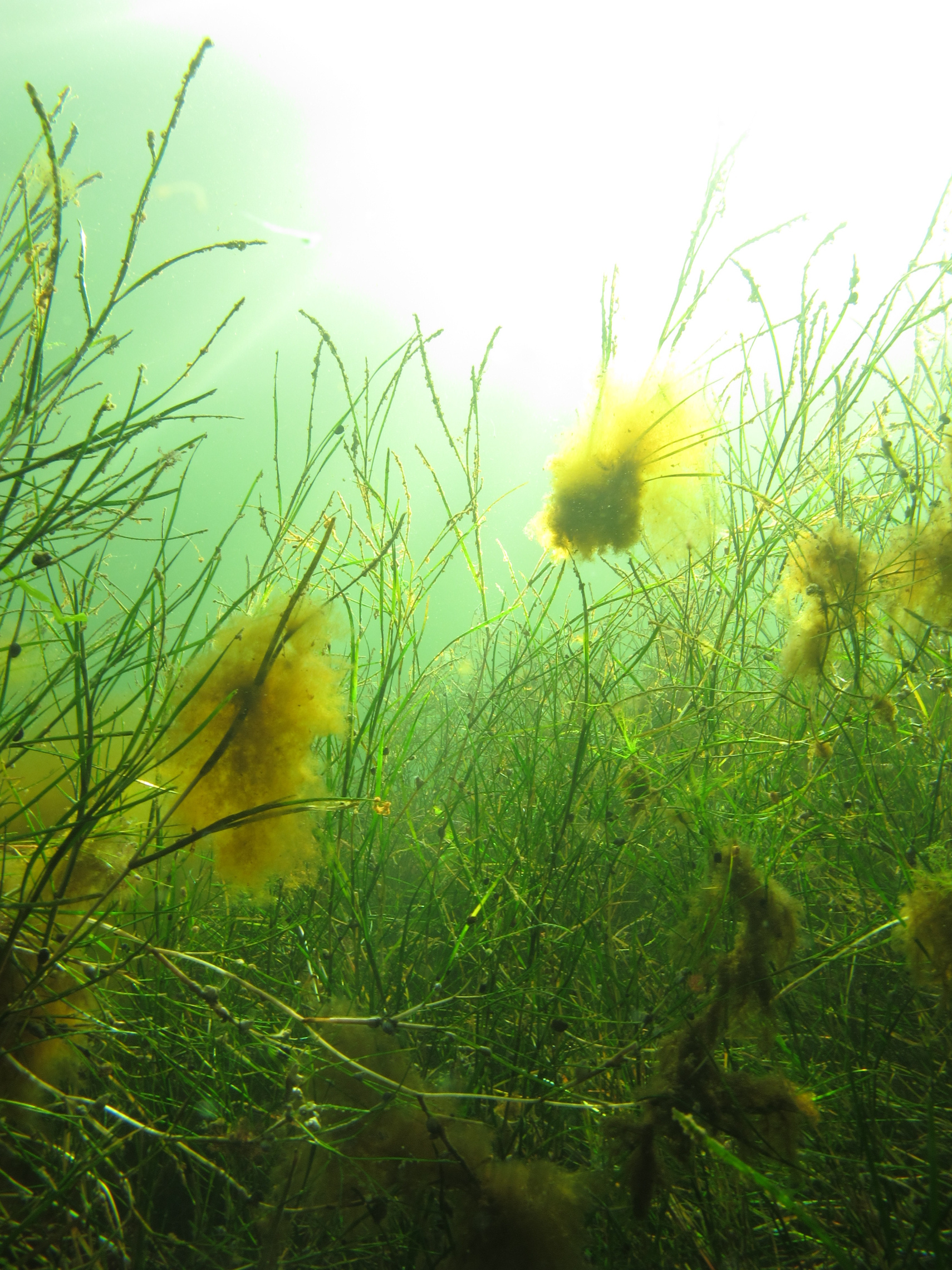
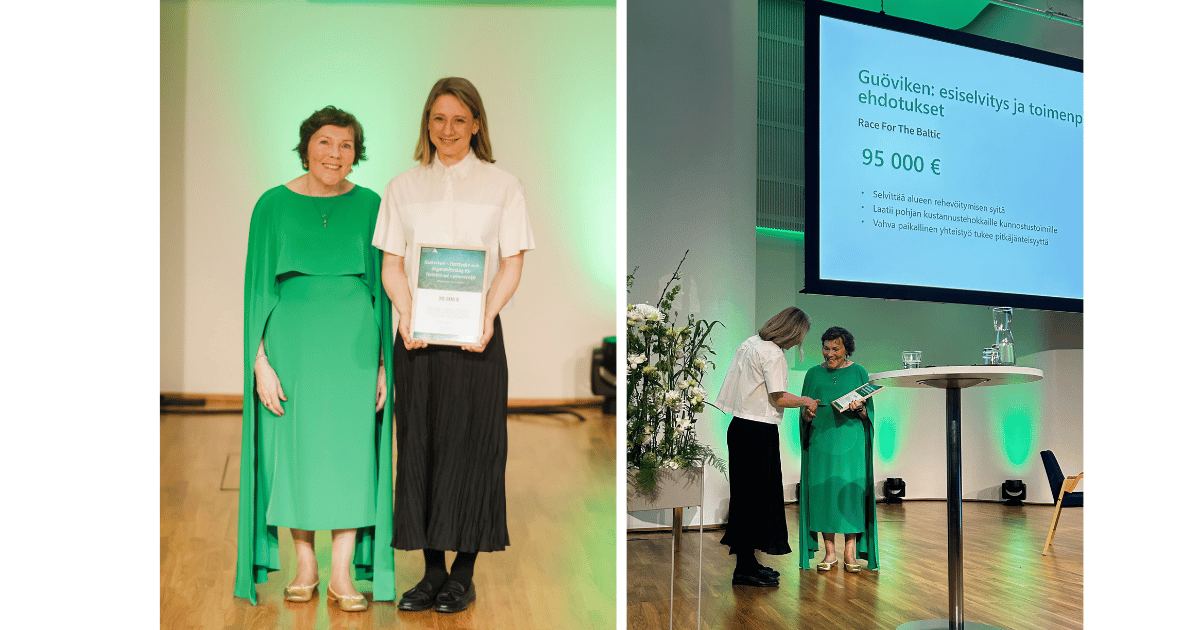
Restoration Guöviken
Improving water quality in Karlshamn, Blekinge



NEWS