Solutions for a healthy Baltic Sea
Race For The Baltic is an independent non-profit accelerating solutions to ensure a healthy Baltic Sea for future generations by 2030.
Our goal is to reduce
500 tonnes
phosphorus per year by 2030
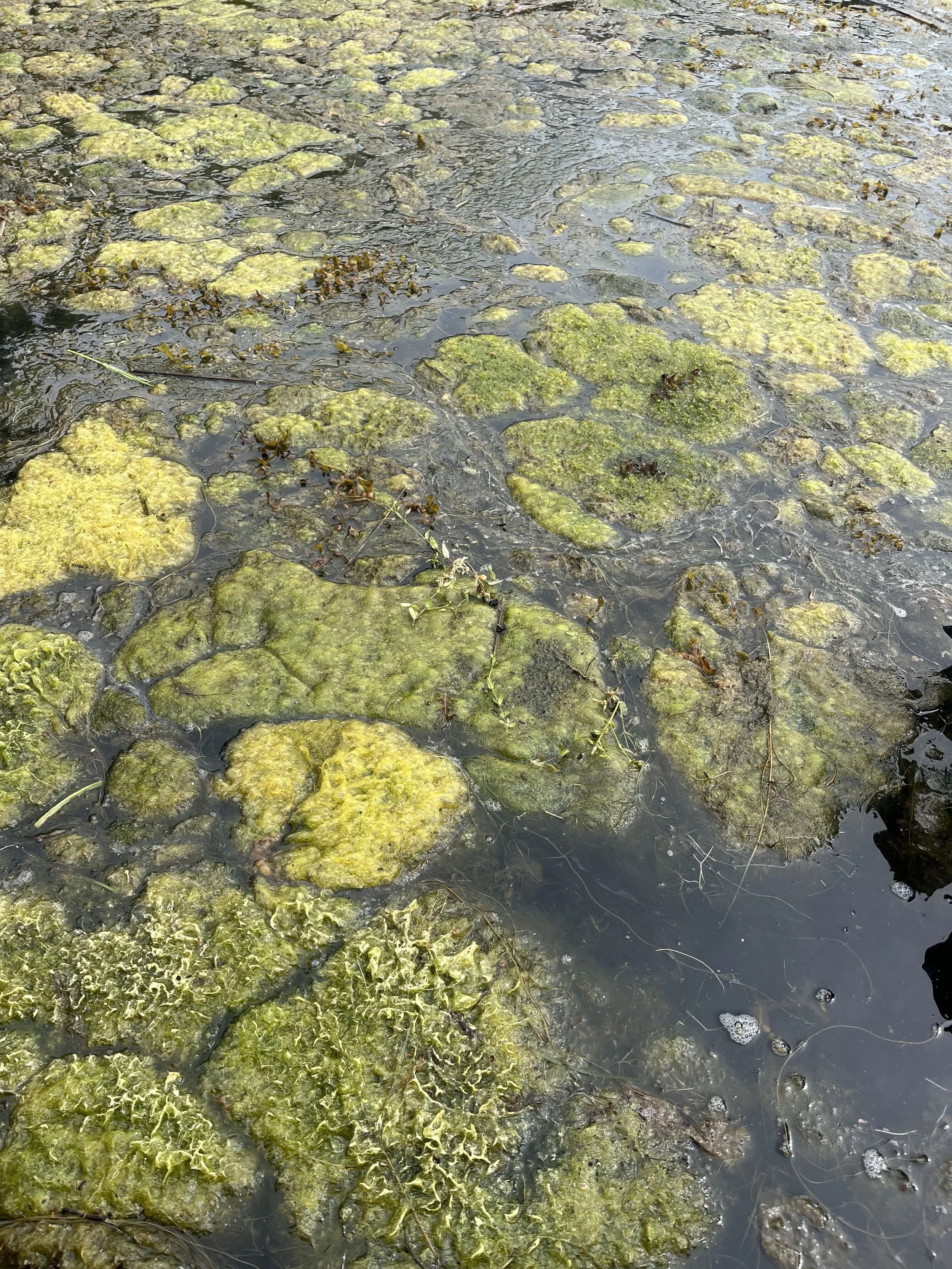
The fundamental issue in the Baltic Sea is eutrophication, caused by excessive inflows of the nutrients phosphorus and nitrogen. A turnaround is now within reach, but we have not yet fully succeeded. The greatest remaining challenge is to reduce the input of phosphorus before the Baltic Sea can begin to restore itself.
It is our conviction that, with the right focus, we can close the remaining gap and ensure a healthy Baltic Sea for future generations by 2030.
The annual phosphorus inflow has decreased by over 40,000 tonnes since the 1980s, but 4,500 more tonnes must be reduced to reverse the trend. Source: HELCOM
HOW WE CLOSE THE GAP
Projects with measurable impact
-
Production project
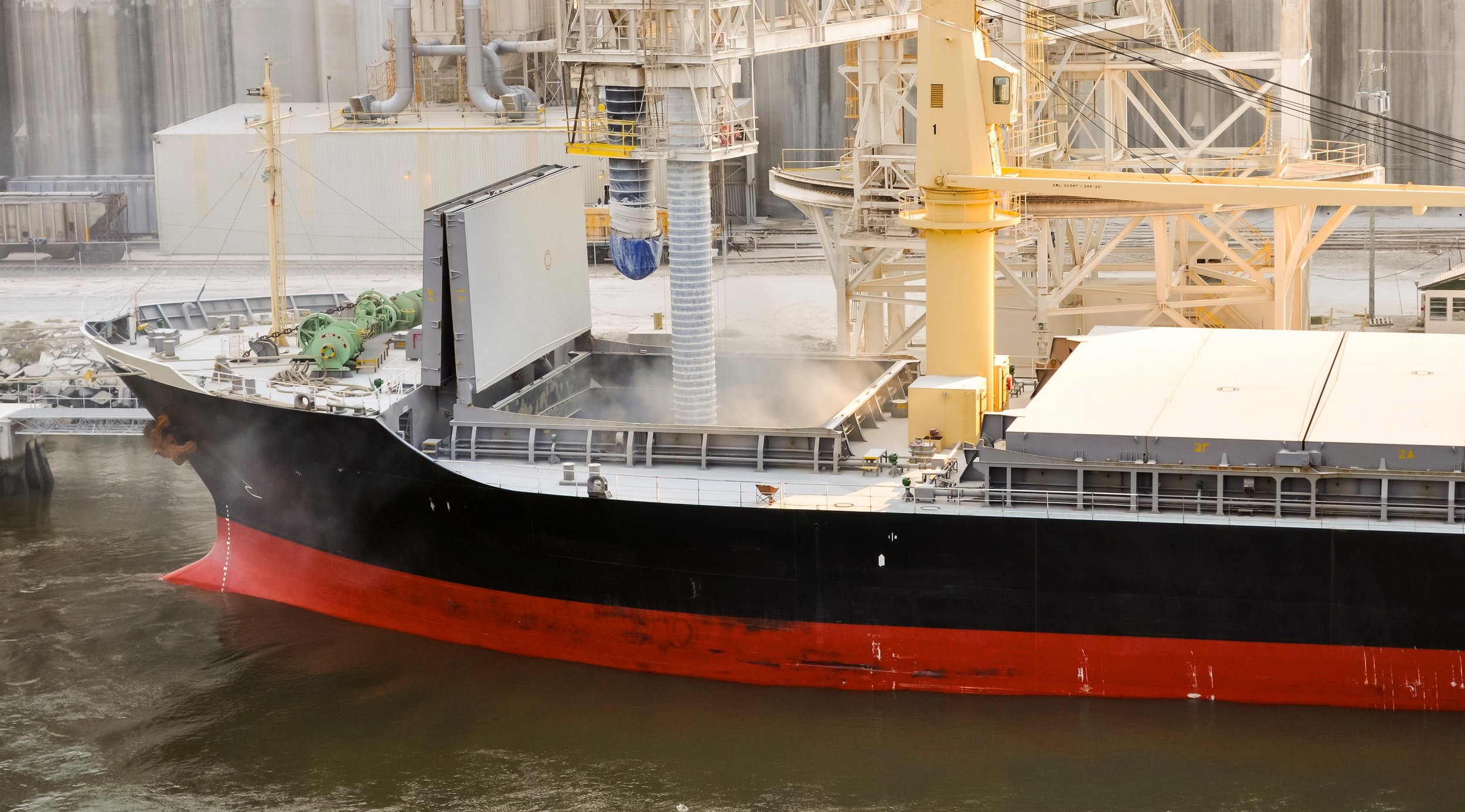
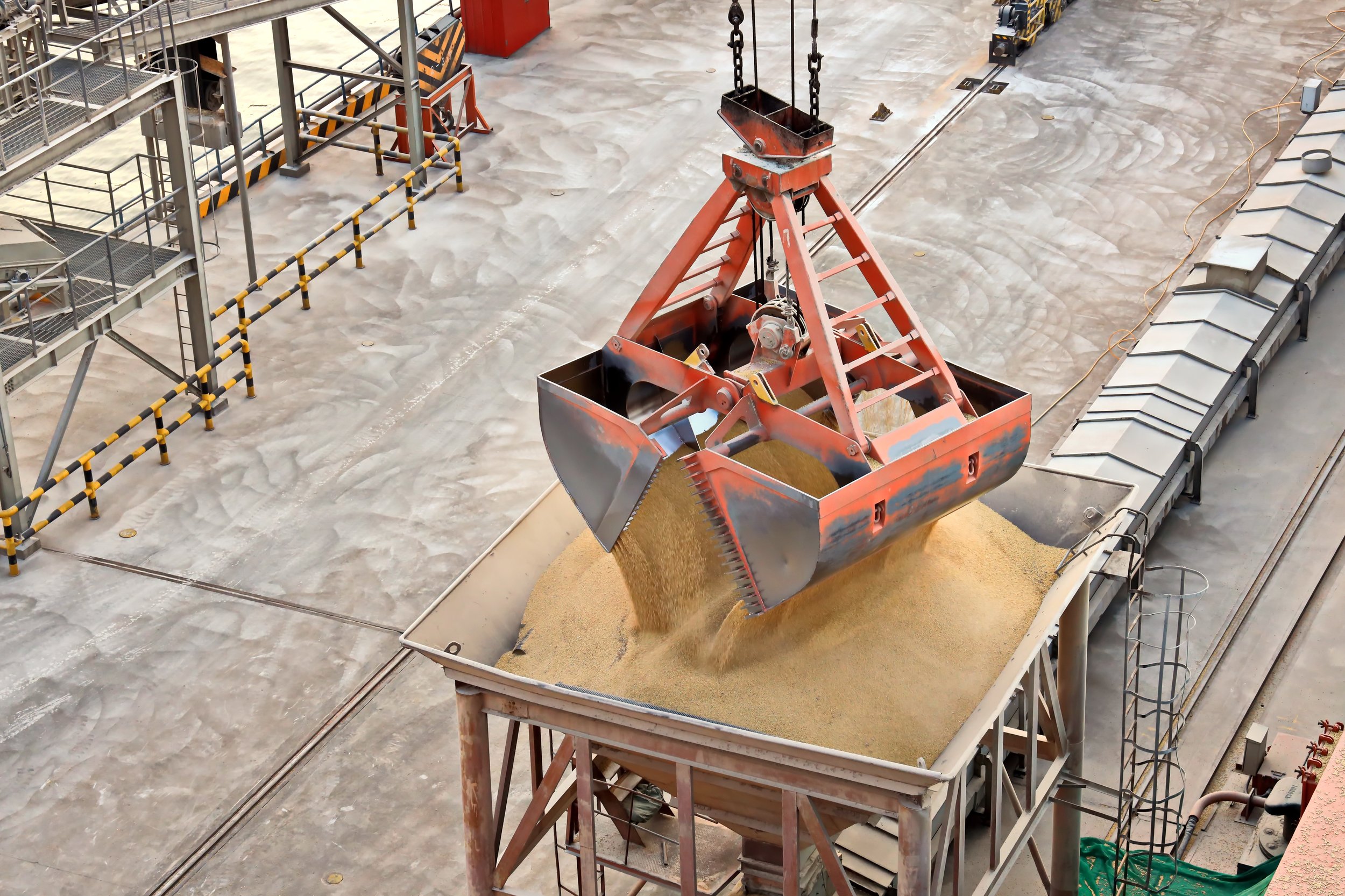
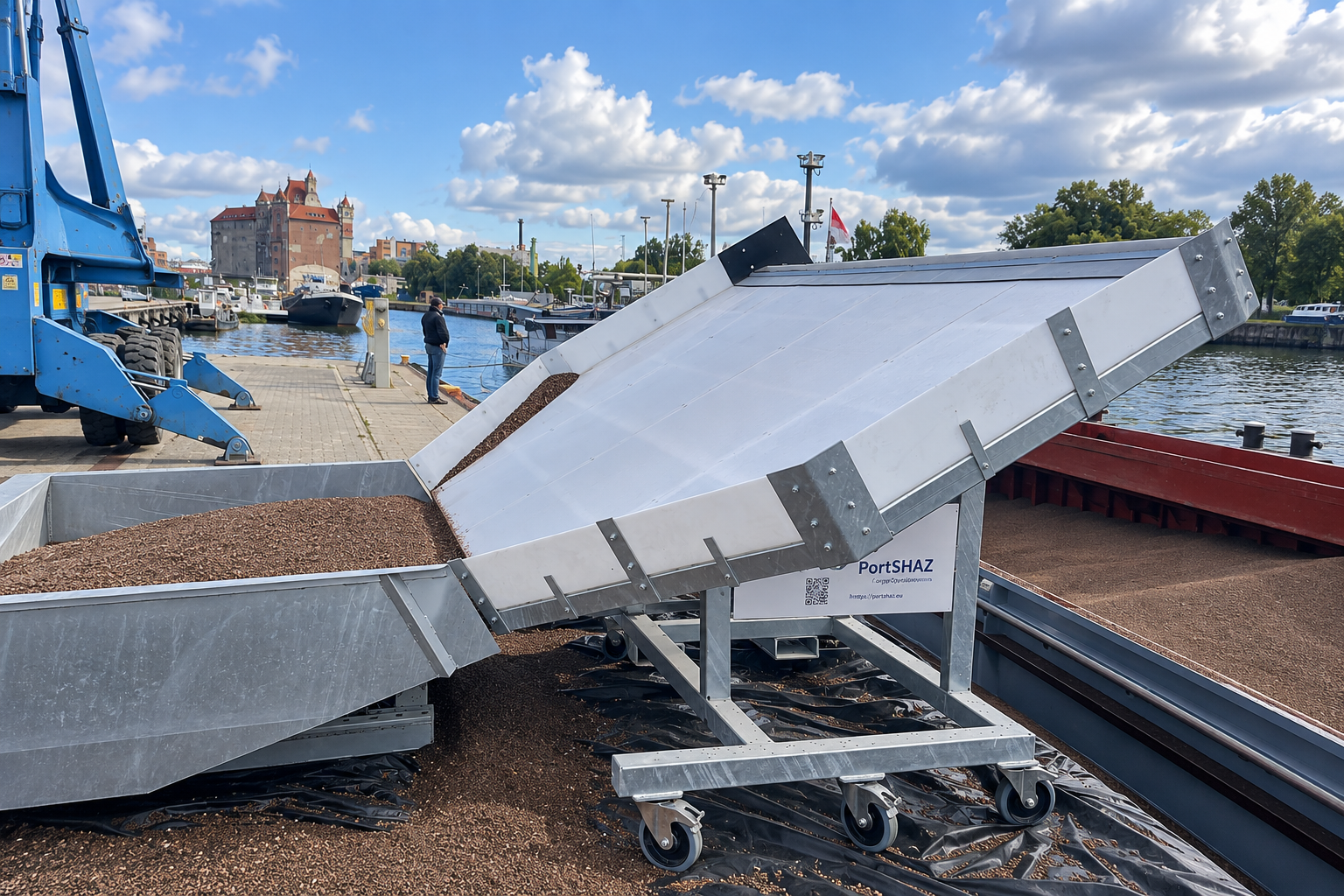
Identifying nutrient leakage points in fertiliser production and developing a cooperation framework with large fertiliser manufacturers and port operators in the Baltic Sea region.
-
GYPREG project
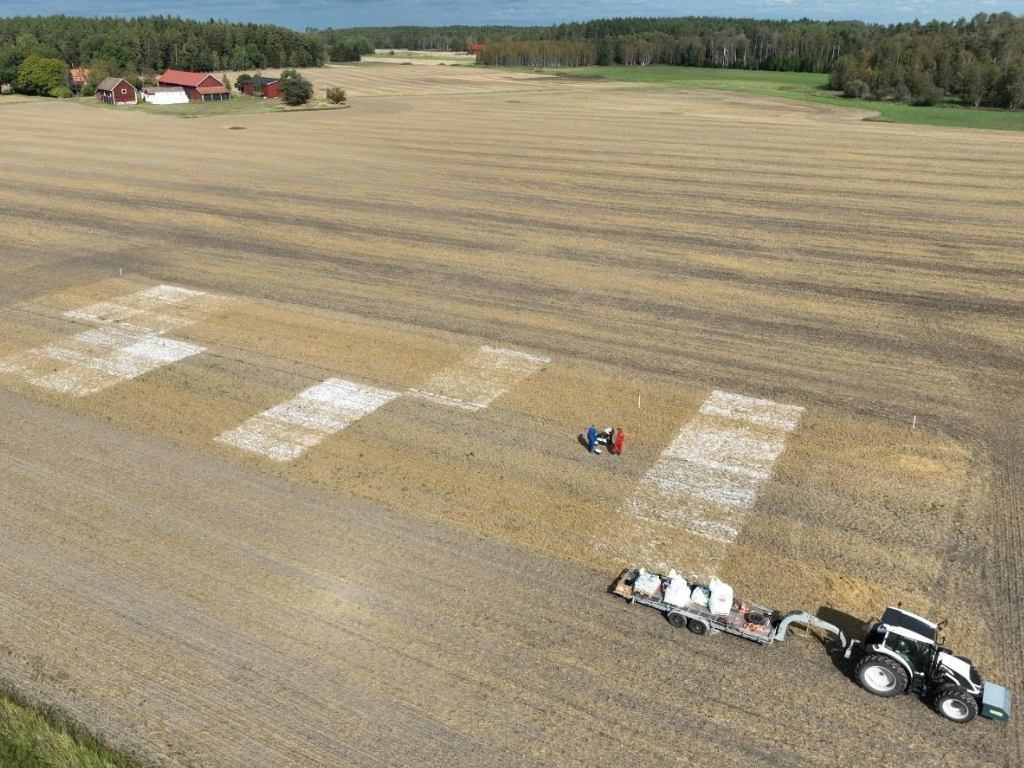
Reducing nutrient leakage by applying gypsum to farmlands, a method shown to reduce phosphorus runoff and soil erosion.
-
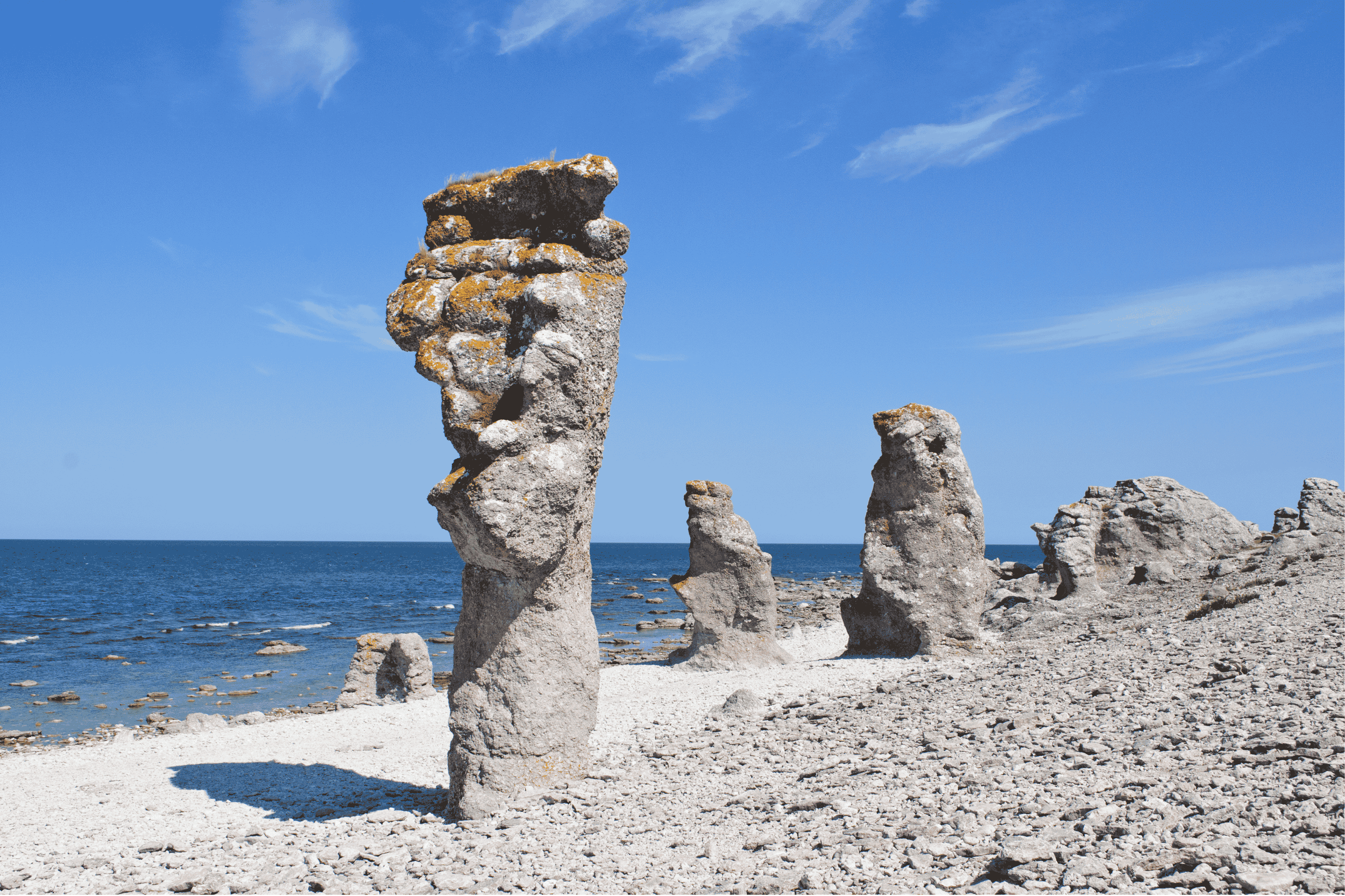
Restoration Gotland
Investigate the possibility of treating oxygen-free areas in the Baltic Sea while simultaneously improving the water quality of two bays on Gotland.
-
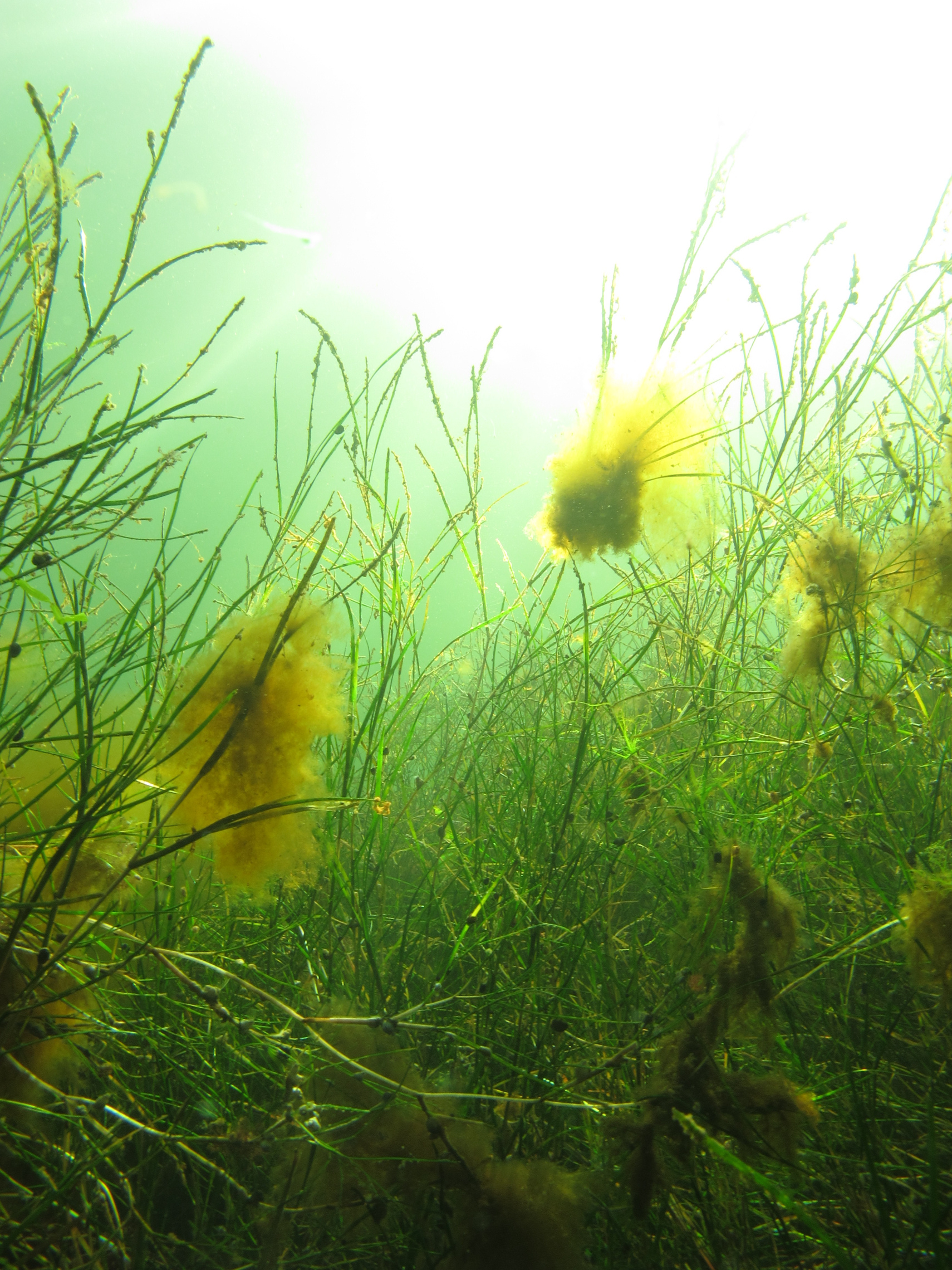
Resilient Sea
Restoring coastal vitality in the Central Baltic through nature-based solutions.
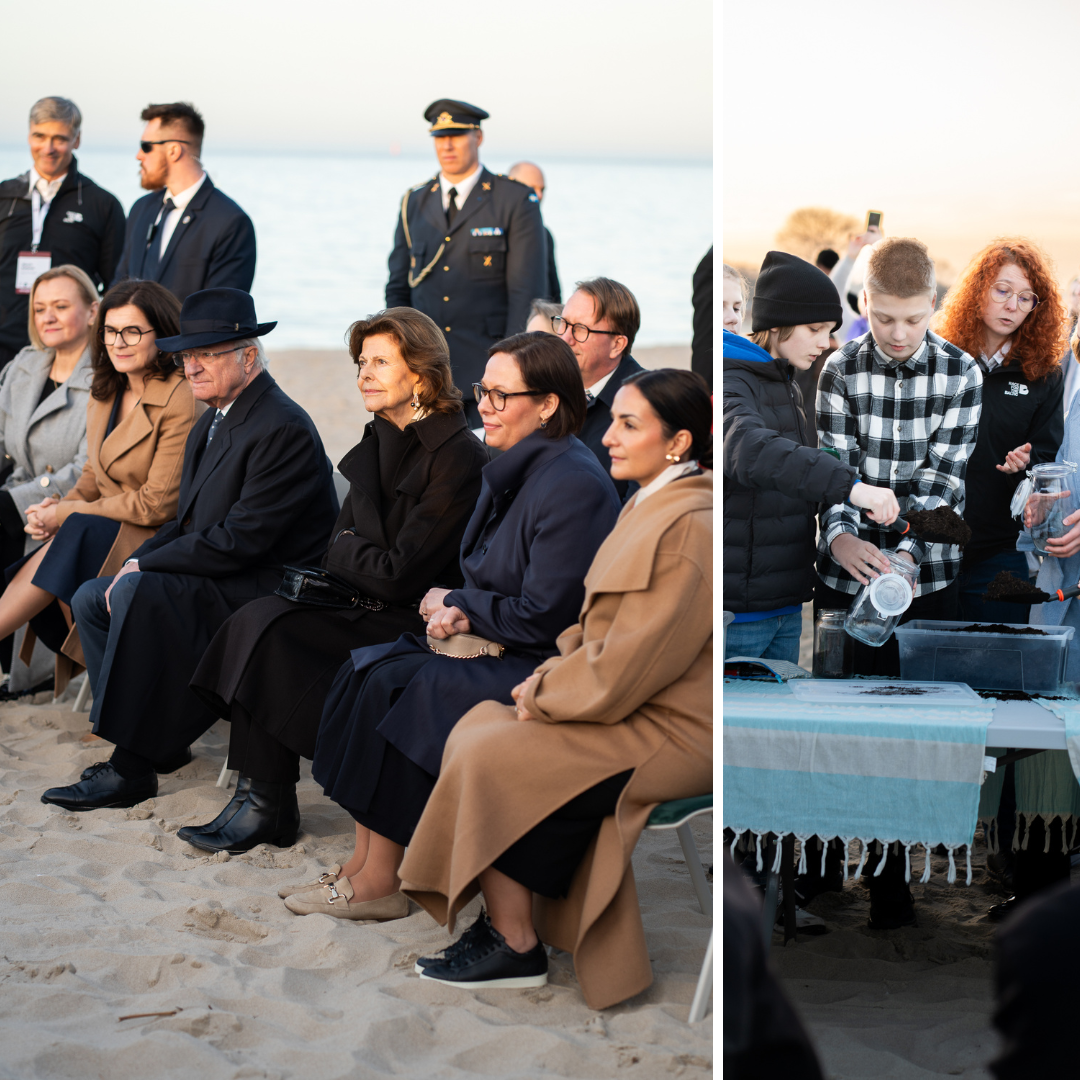
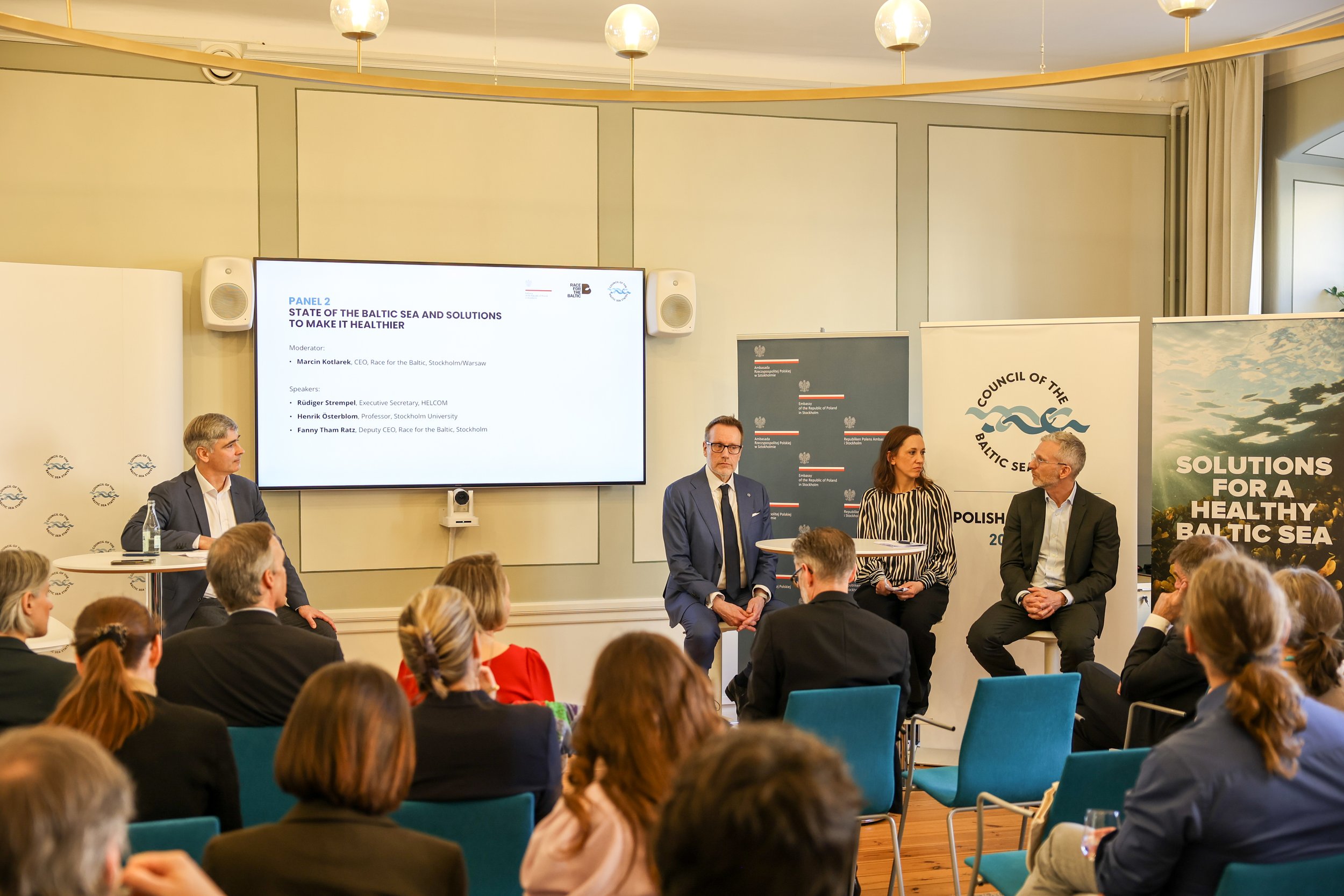
Race For The Baltic, together with the Polish Embassy in Sweden and the Council of the Baltic Sea States (CBSS), convened an event in Stockholm on 27 March 2026 under the title “Advancing a Sustainable Baltic Sea through Regional Cooperation”.
Vi samlas i Stockholm för att fira Östersjödagen och för att djupdyka i konkreta åtgärder för ett friskare Östersjön (denna gång två dagar innan Östersjödagen). Här får du en unik möjlighet att nätverka med branschledare, dela idéer och bli en del av att accelerera arbetet för ett renare Östersjön.
TISDAG 26 AUGUSTI | MANNHEIMER SWARTLING STOCKHOLM
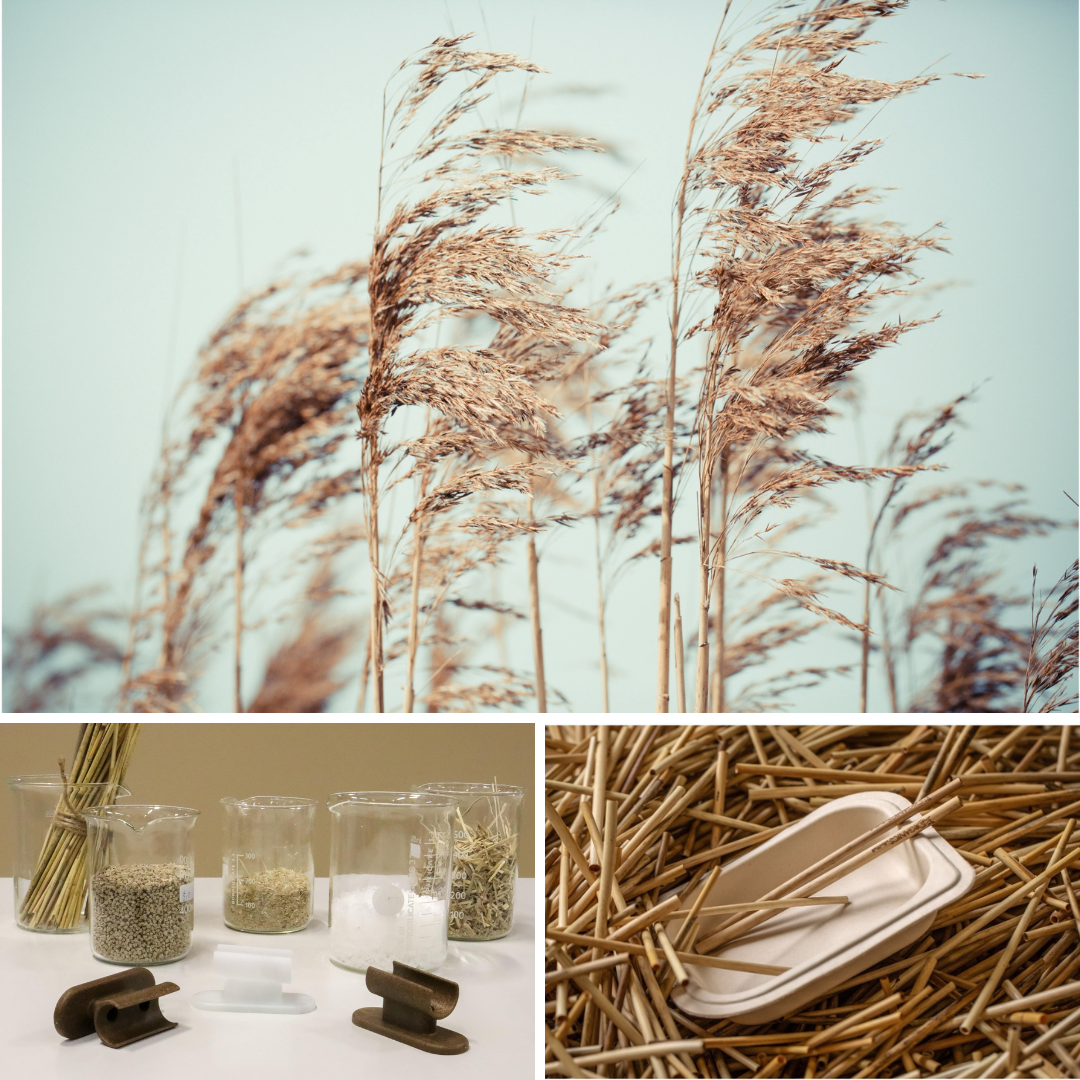
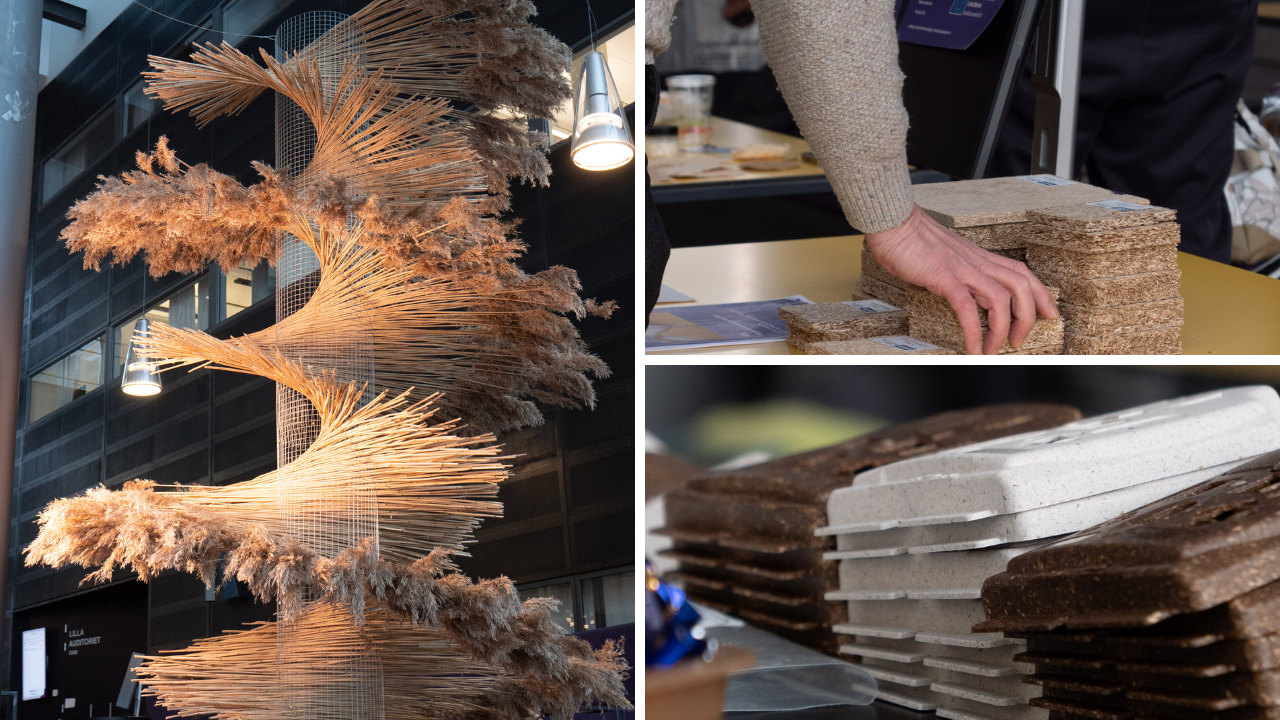
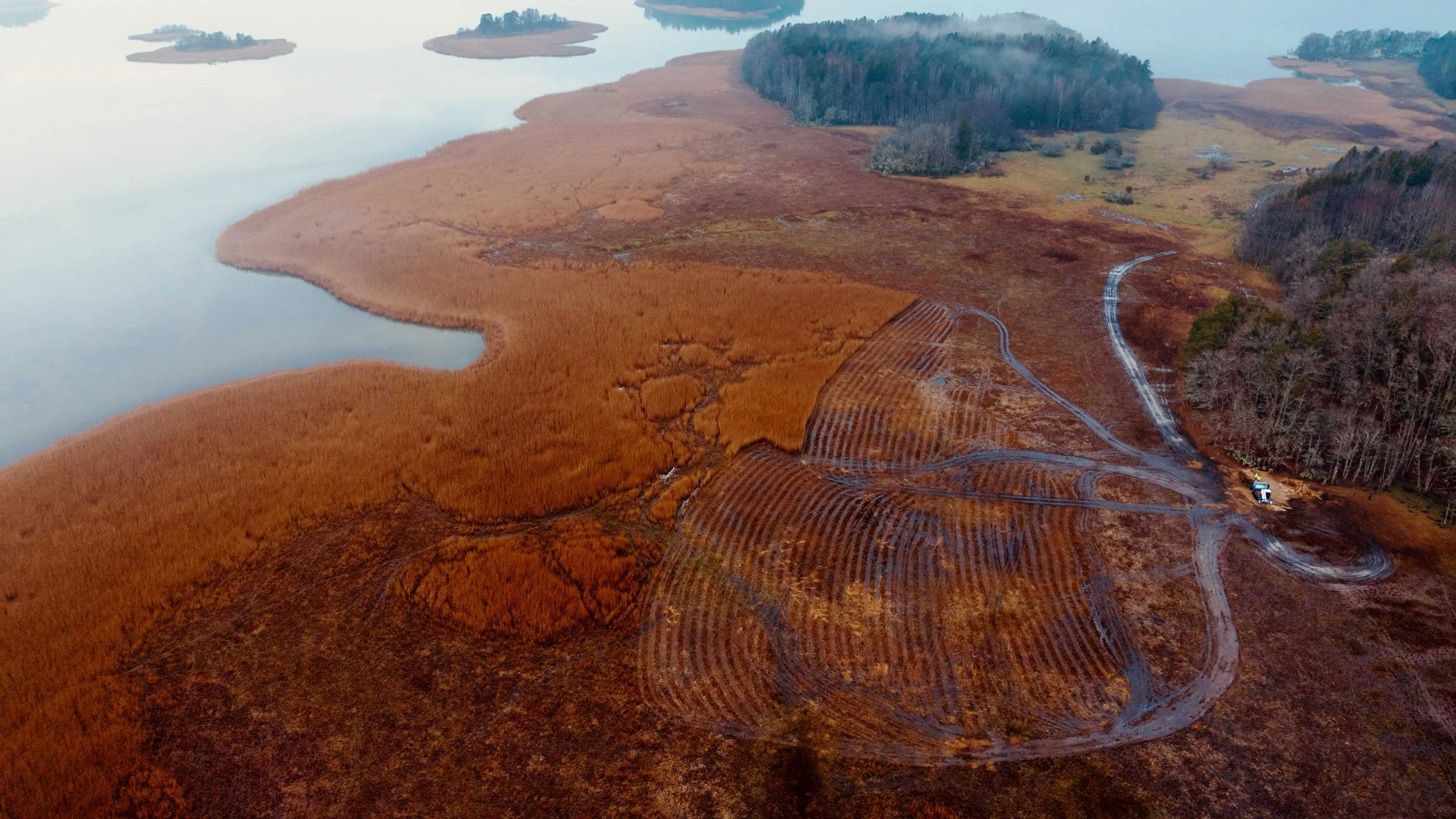
Common reed clogs coastlines, yet holds immense promise. This toolkit offers a springboard for municipalities, innovators, and businesses to unlock the value of Phragmites australis — for water quality, biodiversity, and blue circular economy.
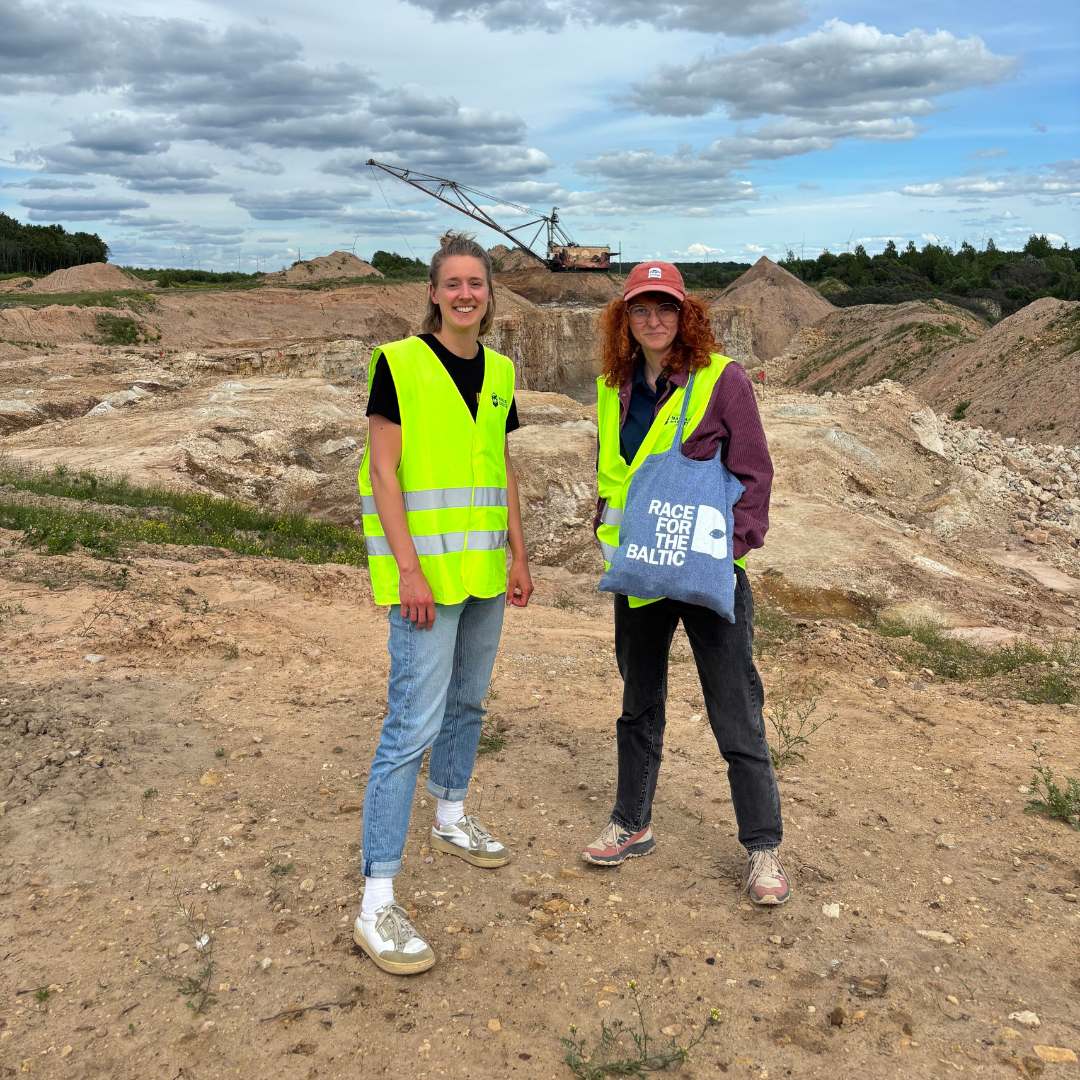
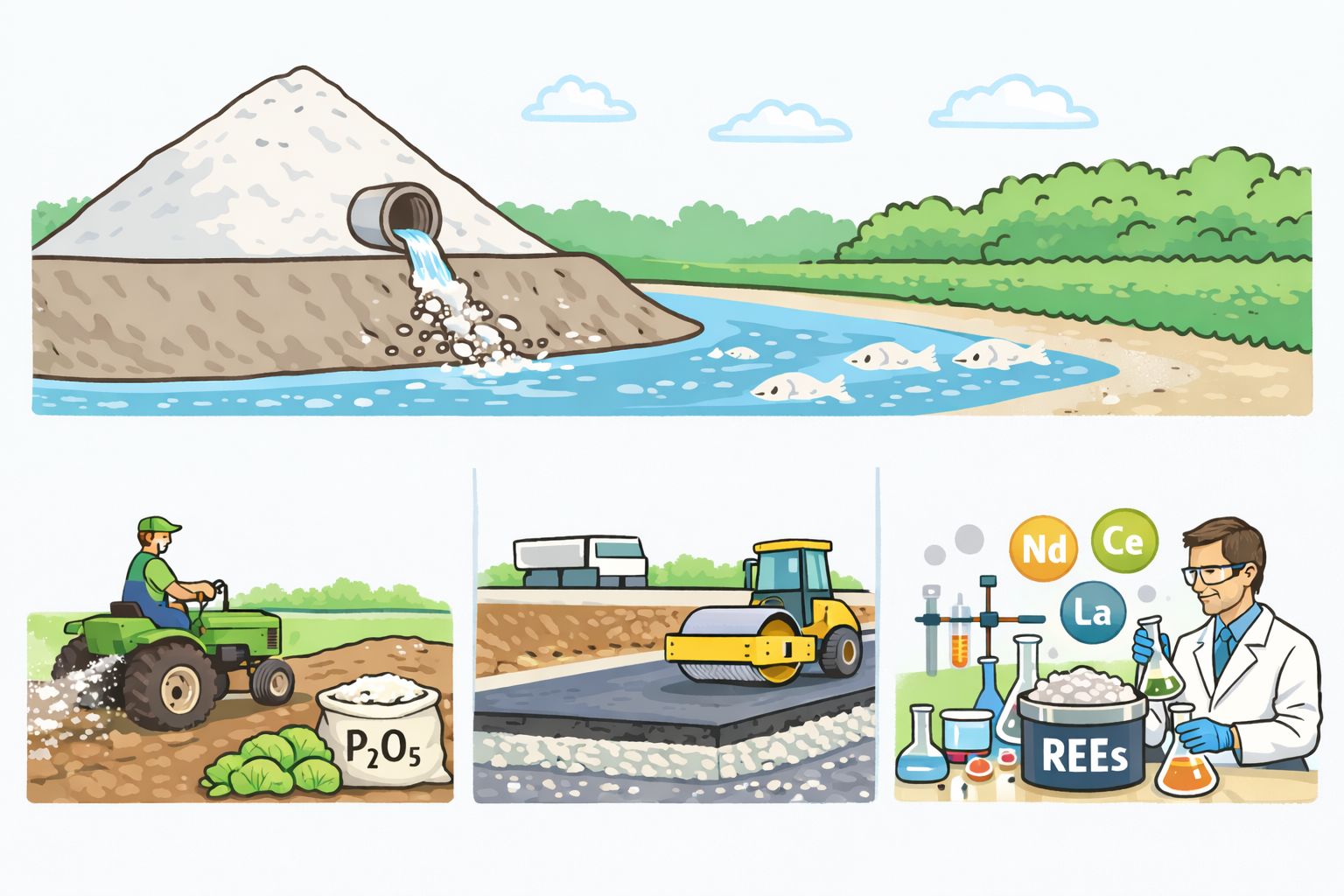
In early 2025, we explored the potential of recycling phosphogypsum to reduce phosphorus inflow into the Baltic Sea. Working with German and Polish partners, we investigated its market value and discovered promising signs of rare earth elements (REEs) in the waste. As demand for REEs rises, this could redefine phosphogypsum as a valuable resource. We’re also assessing its reuse in construction and the recovery of phosphorus—both critical raw materials. These efforts support both environmental protection and EU raw material security. The journey continues as we explore this “new gold” further.
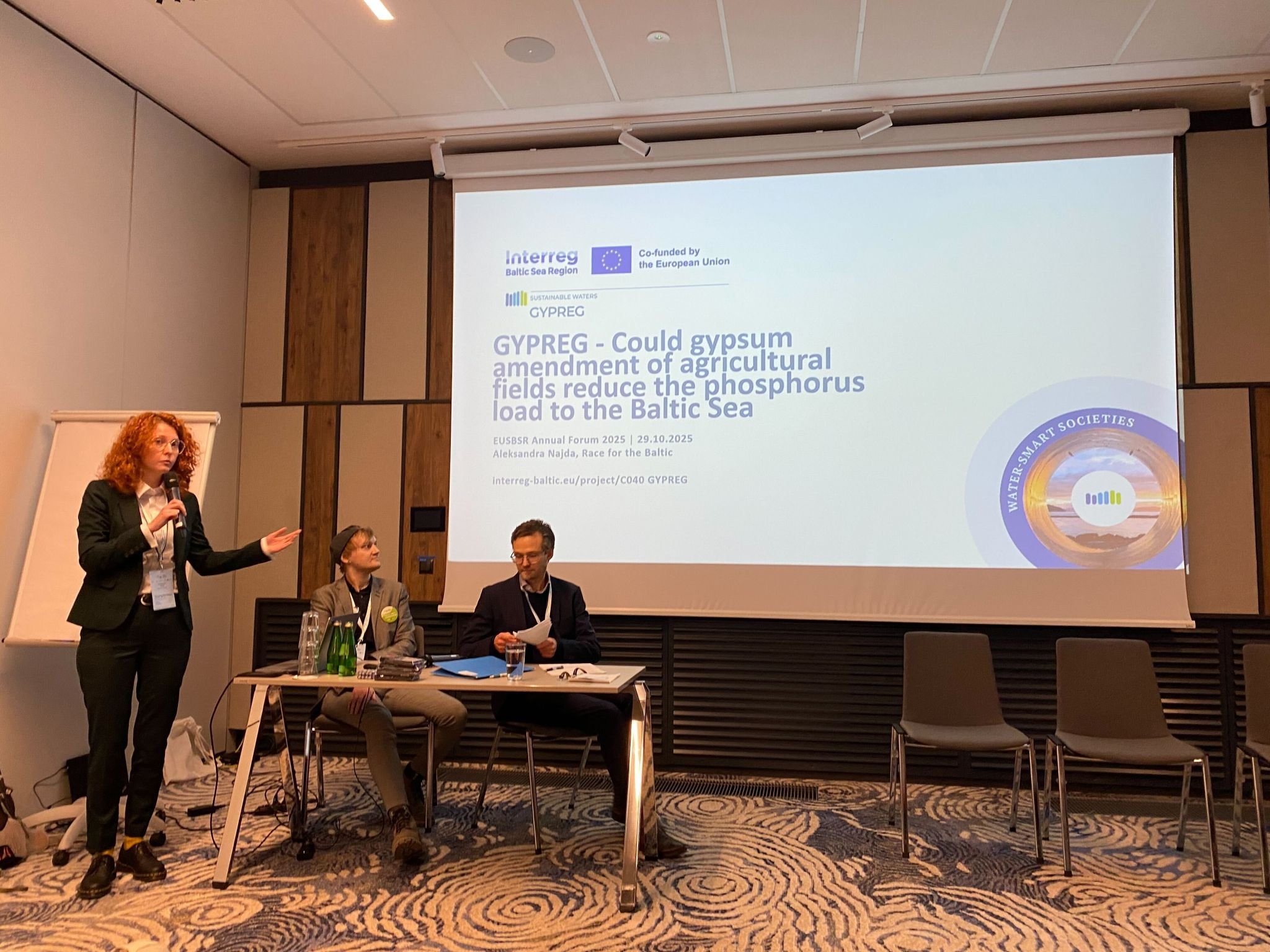
In February, GYPREG partners from across the Baltic met in Uppsala and Stockholm for two inspiring days of lab visits, field trial planning, and lively talks with Swedish stakeholders. In March, we headed to Åland for The Farmers Day, connecting with farmers, researchers, and agri-companies—where our Finnish partner, John Nurminen Foundation, showcased exciting gypsum pilots. Now, we’re gearing up to boost our presence in Poland! With a new team member joining in May, we’re ready to ramp up dialogue and action on the ground to accelerate the stakeholder dialogue and practical work within the Polish agriculture sector. Big steps ahead for sustainable agriculture.
Together with sustainable building initiative Werstas Petraamo and John Nurminen Foundation, RFTB co-arranged a workshop in Helsinki on reed building materials in March. In February RFTB met with experts and key stakeholders at Lake Tåkern nature reserve. During February and March students at Konstfack, University of Arts, Crafts and Design have been working with reed as part of Industrial Design Course.
In Q4 we co-arranged a study trip to Estonia, focusing on reed as a sustainable building material. Together with architects, thatchers, harvesters, and entrepreneurs from Sweden, Finland, Denmark and Estonia. Reed has been utilised in construction for centuries, and visits like these are an important step in preserving and sharing knowledge and expertise. In December RFTB organised a conference exploring reed as fodder together with SLU and Axfoundation. The day was full of knowledge sharing, inspiration, solution-oriented discussions and rendered a number of concrete actions. Together with Kalmar, RFTB will be launching a parallel reed project starting in Summer 2025. Around 50 hectares of reed will be harvested (both summer and winter). Also, the BalticReed project group released a project film that has been in production for the last few months.
Race For The Baltic in partnership with Fabryka Zieleni and the Technical University of Koszalin, has launched a project to reduce phosphorus inflow into the Odra River and the Baltic Sea. Initial analyses are underway, with plans for targeted measures to follow. Additionally, under the Production project, our Project Managers have engaged in multiple meetings with with German academia and companies is exploring the recycling of phosphogypsum, addressing a gypsum shortage caused by reduced coal burning and natural gypsum mining in Germany. Together with our partners, we are exploring opportunities for cooperation to identify potential companies interested in Polish phosphogypsum, aiming for sustainable, long-term solutions.
NEWS