Resilient Sea
Restoring coastal vitality through nature-based solutions
The Resilient Sea project aims to restore coastal vitality in the Central Baltic through nature-based solutions. By addressing both nutrient inflows and internal nutrient loads, the project enhances water quality, biodiversity, and ecosystem resilience.
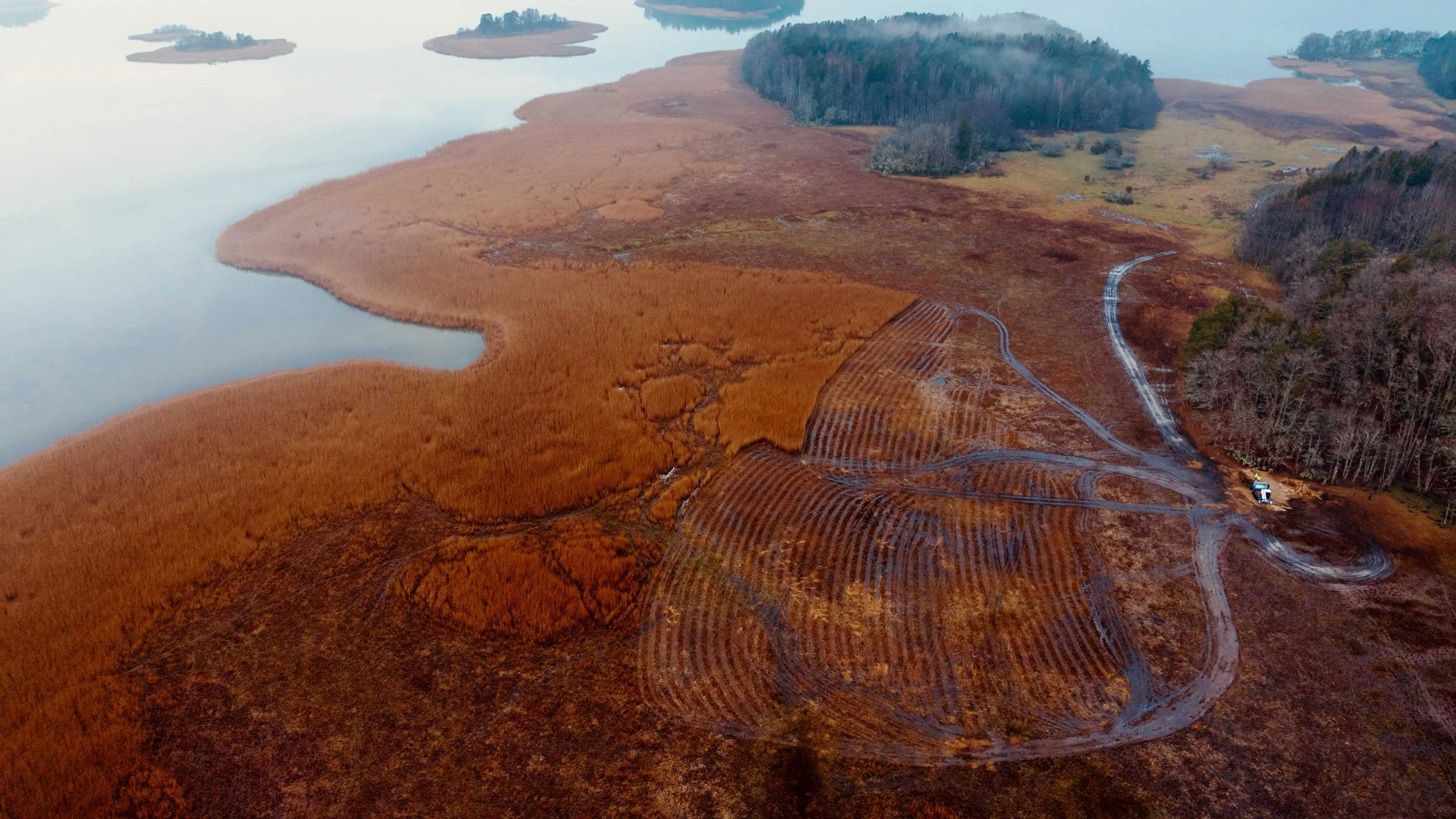
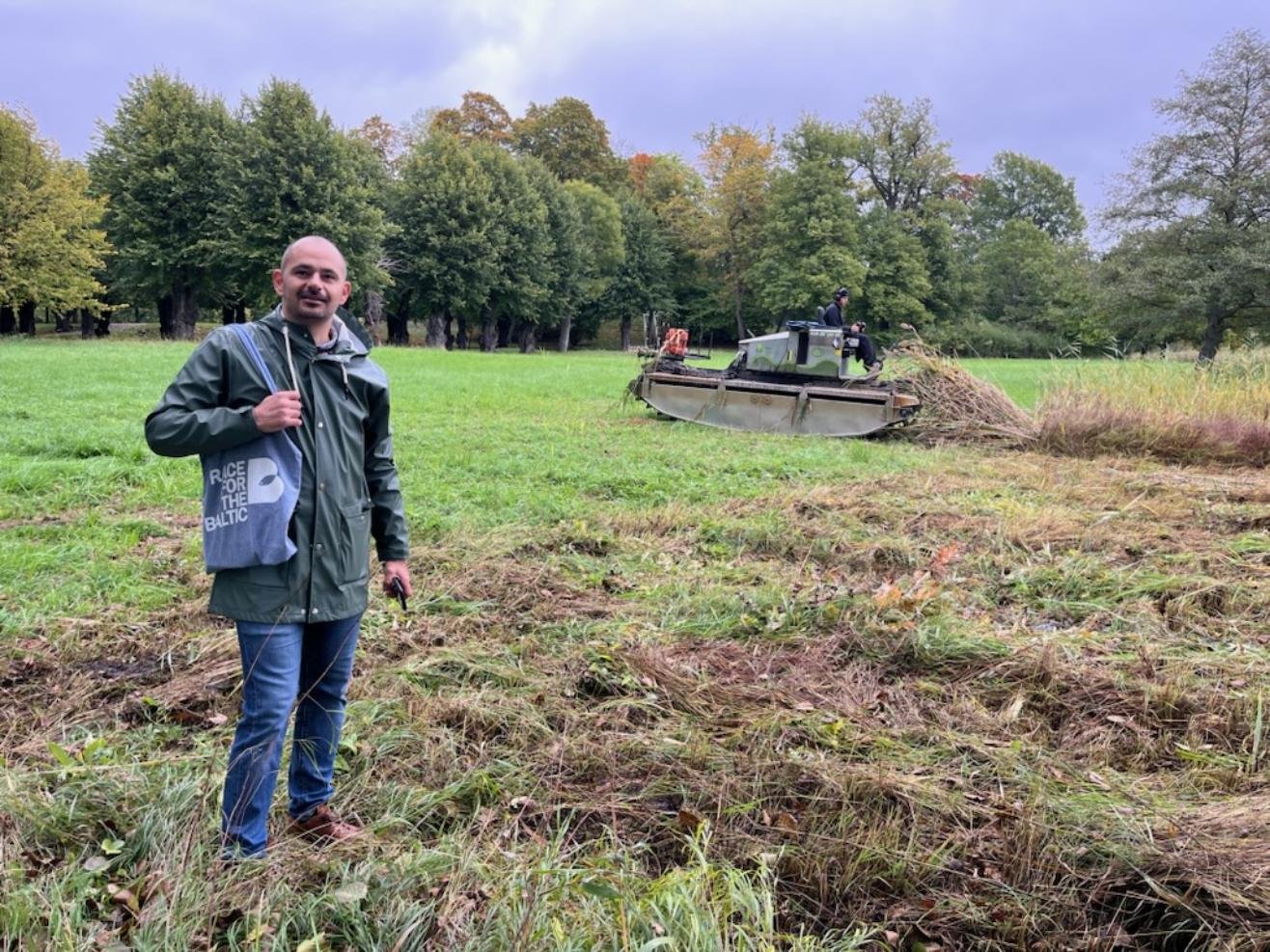
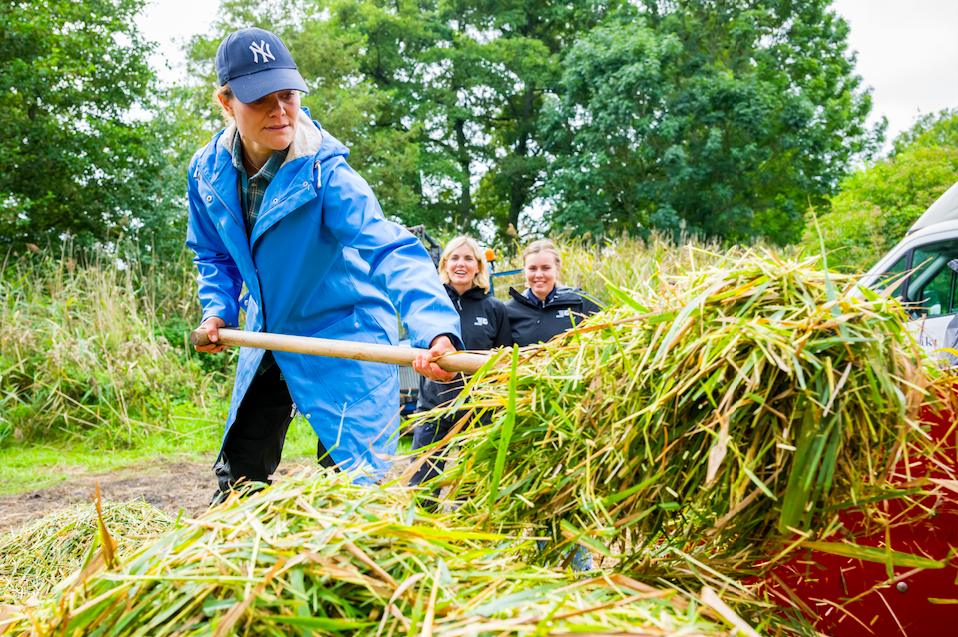
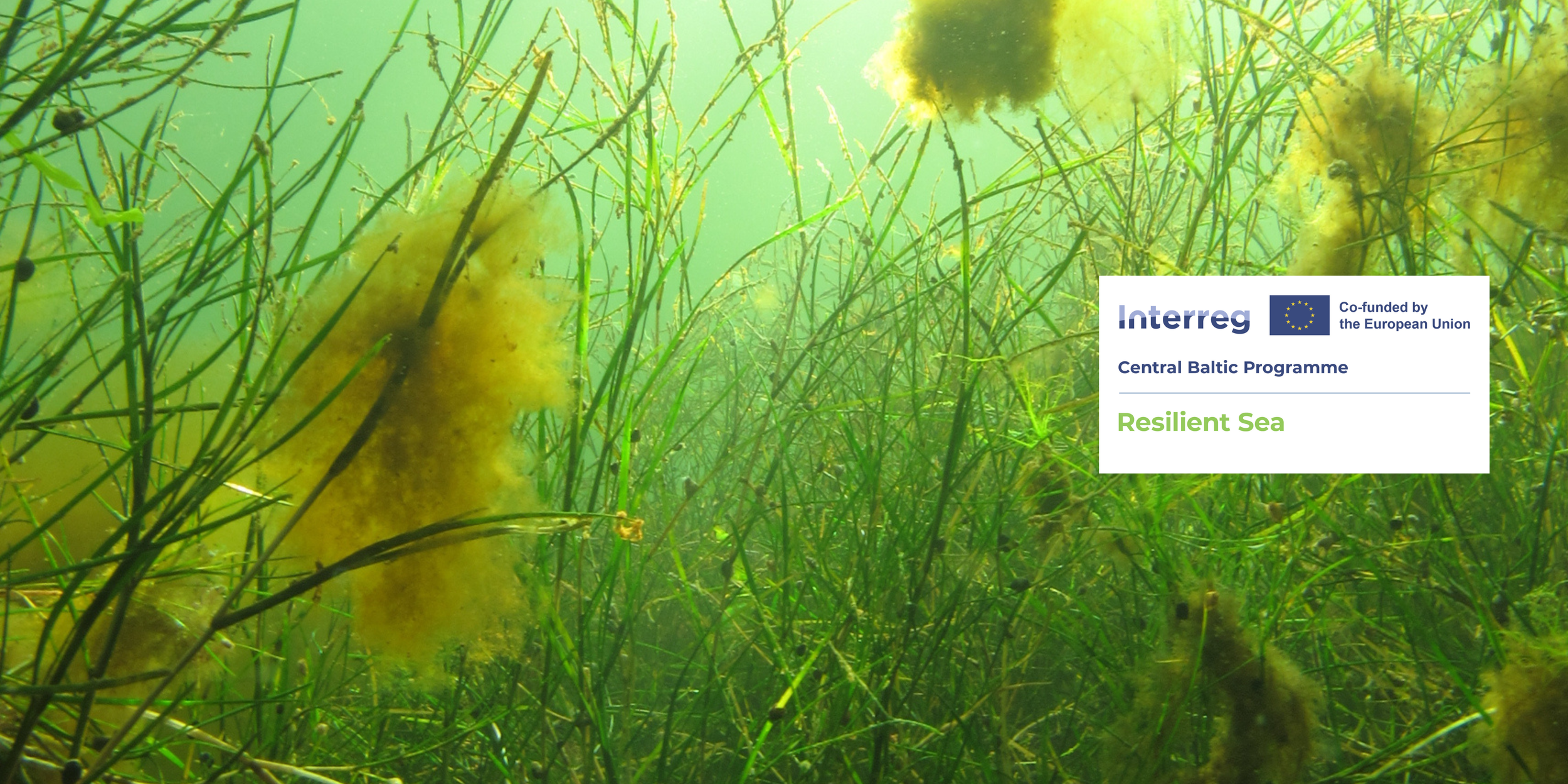
Activities include restoring lagoon thresholds and fish passages, harvesting reed to improve habitats and water circulation, reintroducing submerged vegetation, and constructing wetlands and biochar filters to trap excess nutrients. Innovative methods, such as aluminium treatment and the DWTR phosphorus-binding technique, are piloted across multiple sites. Beyond direct interventions, Resilient Sea develops tools for upscaling, including a municipal toolbox for shallow bay protection, participatory habitat mapping, integrated planning guidance, and a pilot for biodiversity offsetting through Nature Credits. By combining ecological restoration with practical management tools, the project empowers local authorities, communities, and stakeholders to safeguard coastal ecosystems while testing scalable solutions for the wider Baltic region.
Project Activities
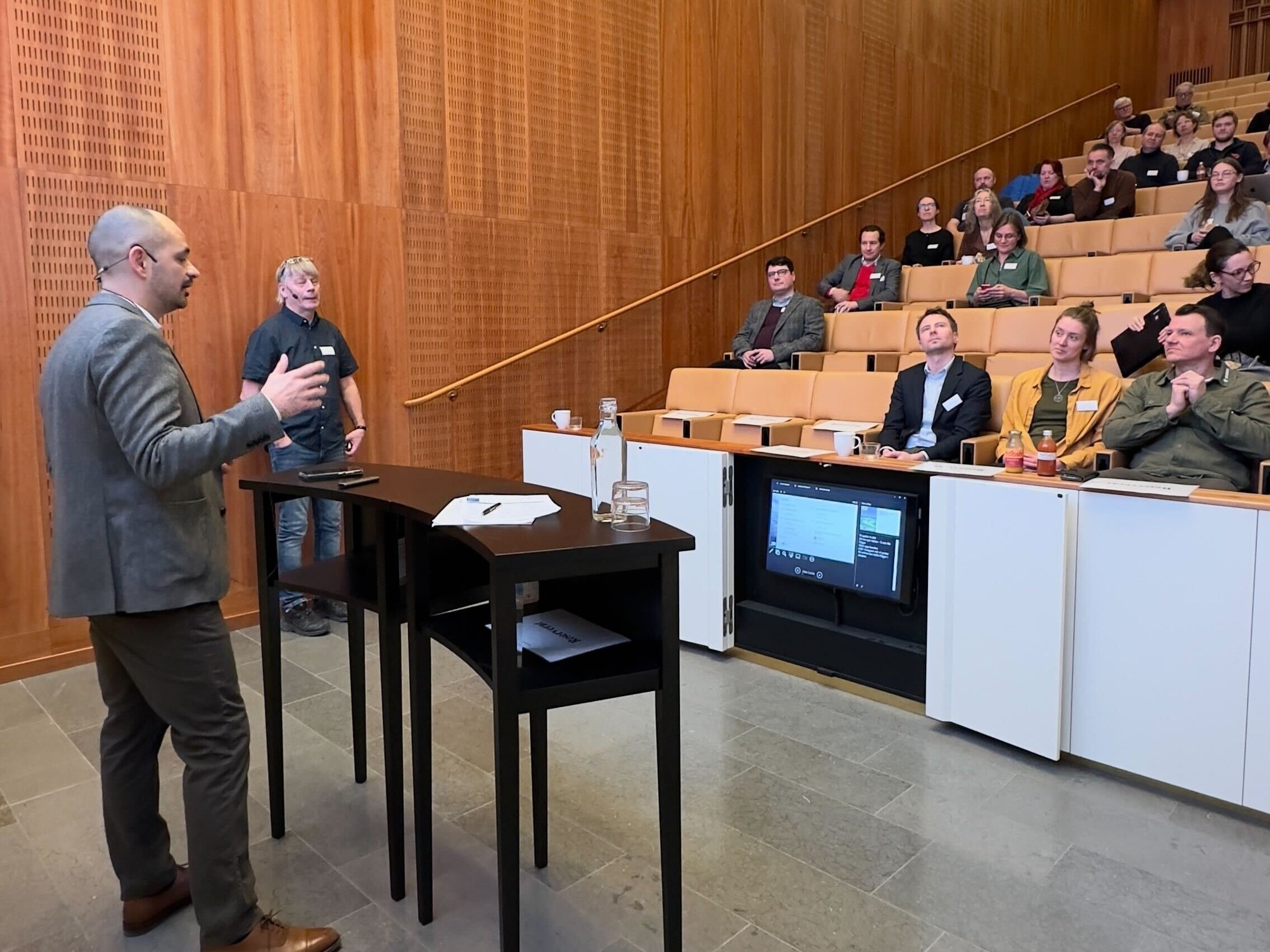
Stakeholder workshops to scale solutions
Municipal guidance and toolbox for coastal management
Aluminium treatment to reduce internal nutrient loads
Nature Credit Pilot for coastal biodiversity offsets
Expected Results
Demonstrate scalable, cost-effective nature-based solutions for nutrient reduction and biodiversity enhancement.
Status
Active
Project Goals
Restore coastal vitality and ecosystem resilience in the Central Baltic using nature-based solutions.
Funding
The project is funded (2026-2029) by the EU’s INTERREG Central Baltic programme, which finances cross-border cooperation projects to improve the state of coastal and marine environment.
Project Partners
The partners in the project are John Nurminen Foundation, Turku University of Applied Sciences, City of Helsinki, County Administrative Board of Östergötland, Swedish University of Agricultural Sciences (SLU), and the Government of Åland.
Sustainable Development Goals
The project adresses SDG 9 (industry, innovation and infrastructure), SDG 14 (life below water) and SDG 17 (partnership for the goals)

Do you want to know more about the project?
Contact our Business Manager:
Anil Ramel Singh
anil(at)raceforthebaltic.com
Related news