
How do we scale restoration?
Restoration is rapidly moving from environmental ambition to practical implementation. As the EU Nature Restoration Regulation enters the implementation phase, the key question is no longer why restoration is needed, but how we deliver it at the scale the Baltic Sea requires.
To help answer that question, Race For The Baltic has recently launched three complementary restoration projects. Resilient Sea, our new Interreg Central Baltic project across Sweden, Finland and Åland, explores a 360-degree approach to coastal ecosystem restoration by combining improved marine data, nature-based solutions, innovative restoration methods and new financing models such as nature credits. At the same time, new restoration projects on Gotland and in Guöviken are testing practical solutions to improve ecological status in eutrophied coastal bays and generate knowledge that can be scaled to other parts of the Baltic Sea.
These themes came together during Almedalen and Östersjödagarna. A field day in Burgsviken and Nisseviken on Gotland included water and sediment sampling as part of the Gotland project, followed by seminars exploring how restoration can move from policy to practical action. Together, the week highlighted the importance of connecting science, field implementation and policy to accelerate restoration across the Baltic Sea.
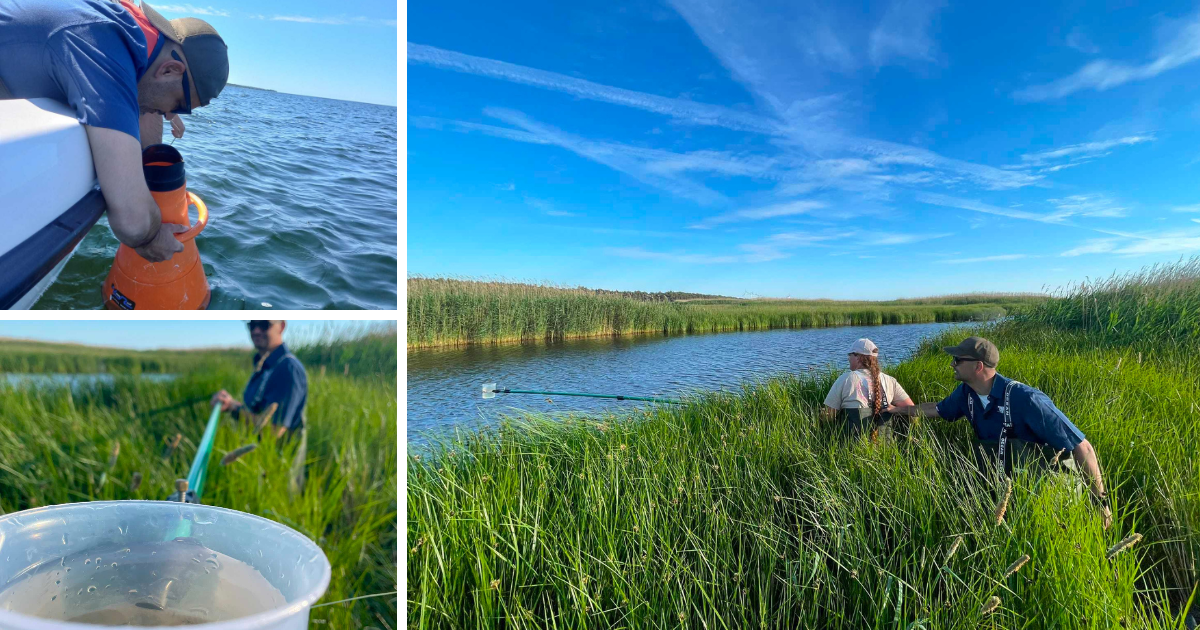
Field day in Burgsviken and Nisseviken on Gotland.
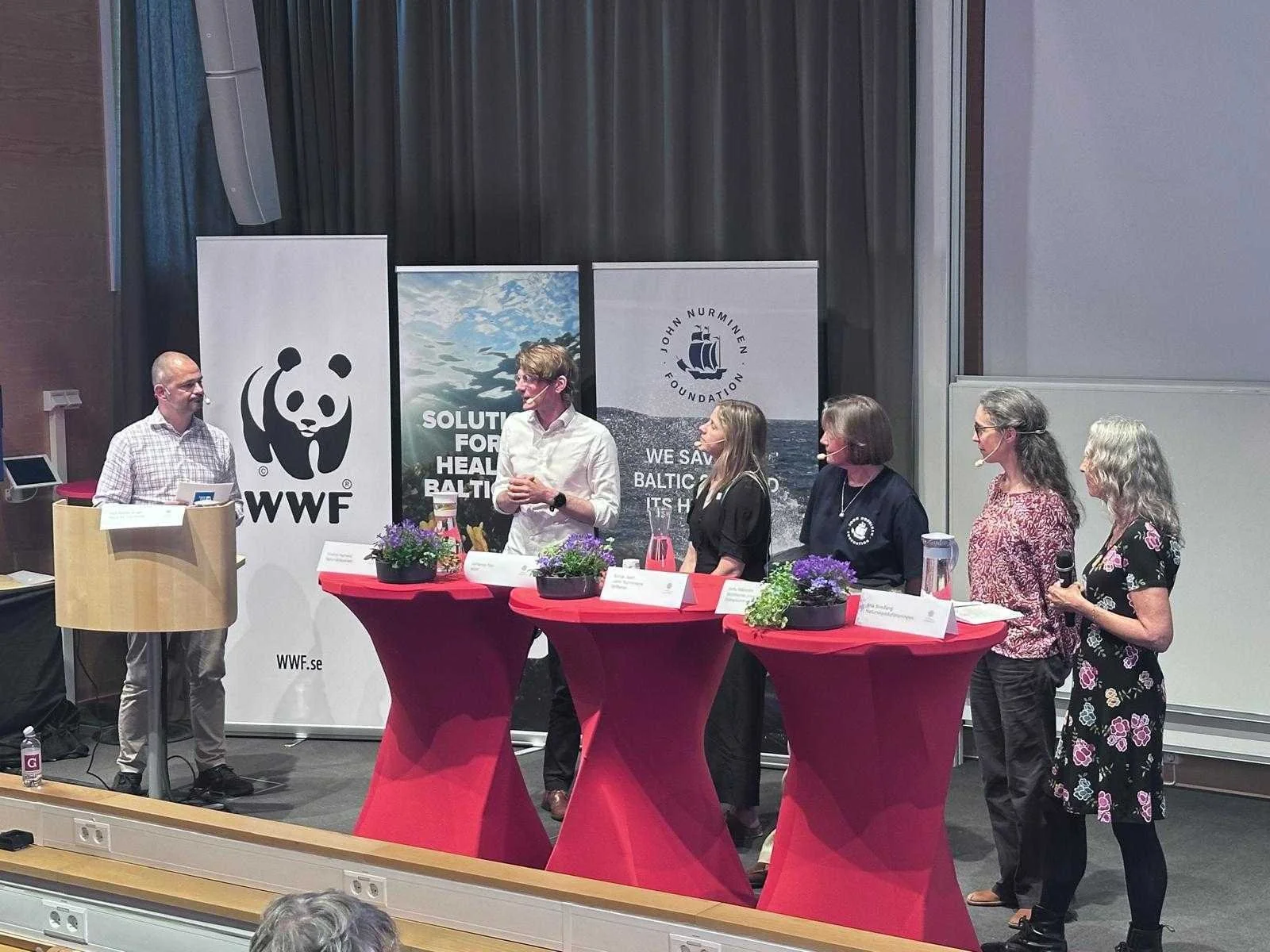
Anil Ramel Singh at Race For The Baltic’s seminar at this year’s Baltic Sea Days in Almedalen.