
Port Project
Reducing leakages of nutrients in ports
Project Reports
Mineral fertilizer management in ports
– posters and information pamphlets
SE_Östersjön och effekten av växtnäringshantering i hamn
ENG_The Baltic Sea and the impact of mineral fertilizer handling in ports
PL_Morze Bałtyckie a wpływ przeładunku nawozów mineralnych w portach
LT_Baltijos Jura ir minerakiniu trasu tvarkymo uostuose poveikis
GER_Ostee und die auswirkungen des umgangs mit mineralischem dünger in häfen
Eutrophication and ports
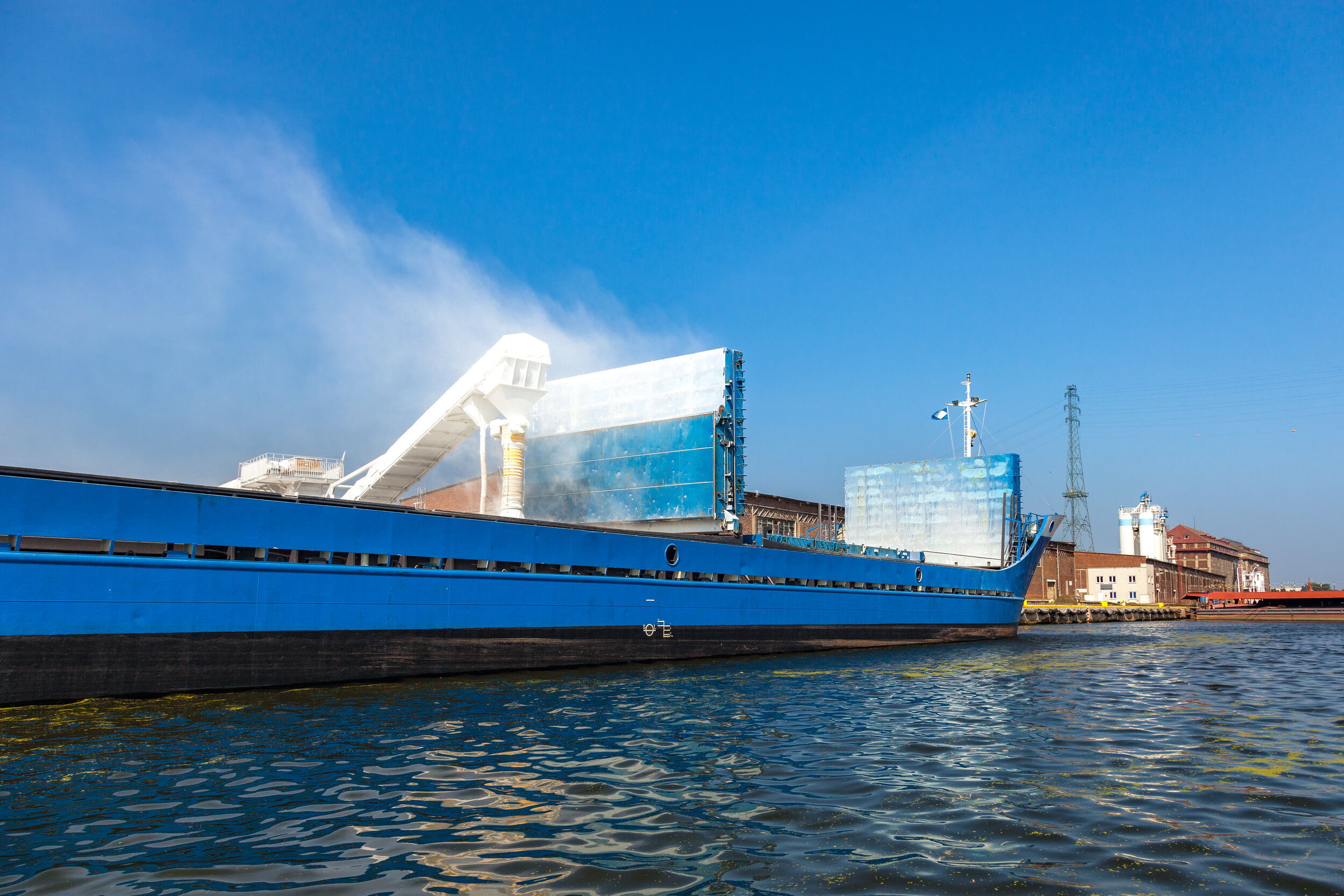
An excess of nutrients causes eutrophication which is the single biggest environmental threat to the Baltic Sea. Nutrients, such as phosphorus and nitrogen, leak to the sea from agriculture, wastewater, mineral fertilizers and other sources. This video shows how ports can reduce this leakage by their handling of dry bulk mineral fertilizers when loading and unloading.
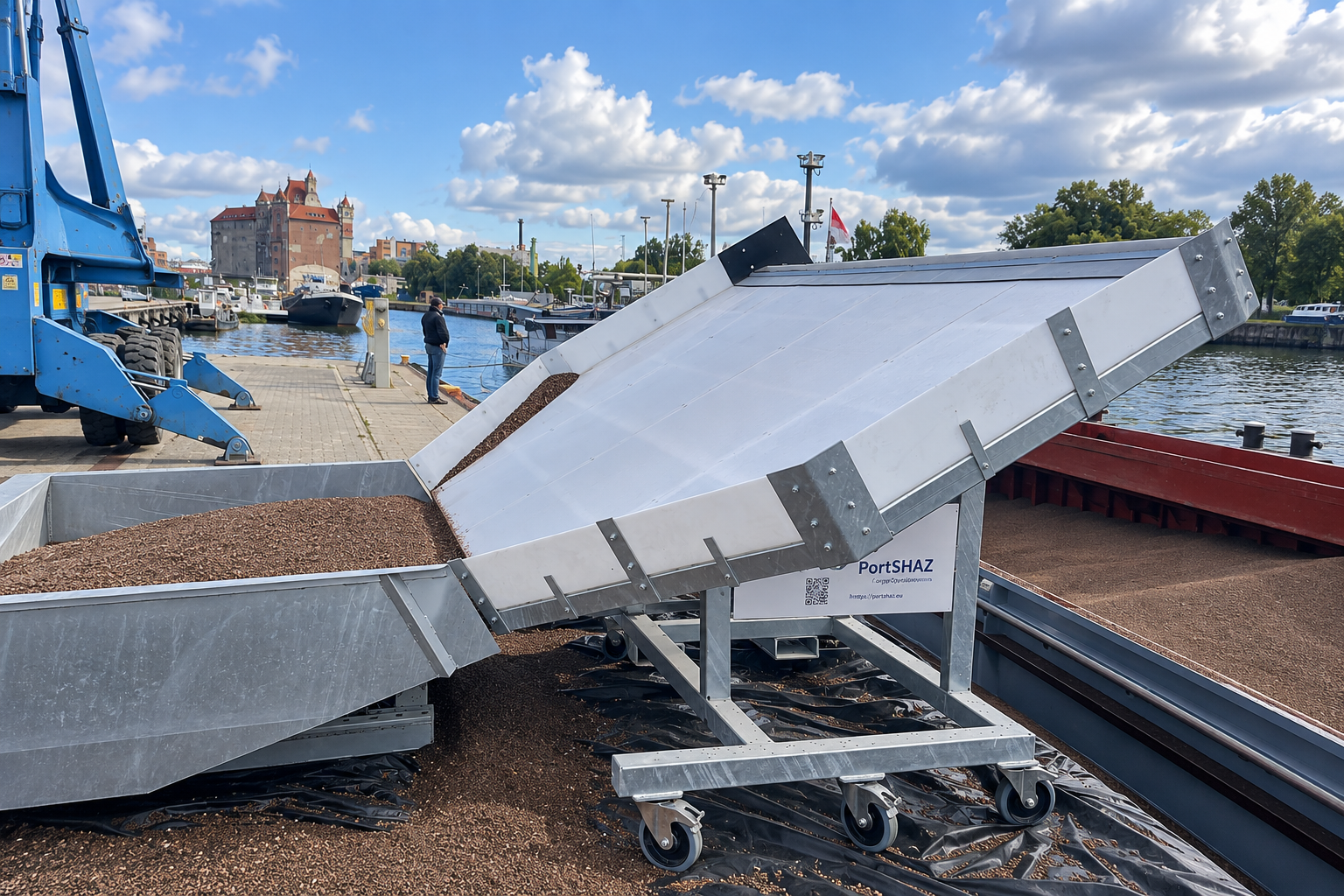

In Q3, we finalised the Port project. As the one of the last activities we ensured that some of Poland’s largest ports implemented our Catalogue of Best Practices and Technologies for Handling Dry Bulk Fertilizer into their port guidelines. Also, finally, our prevention covers in West Pomerania have started to be produced. As the Port project ended, we started our new project “Dry Bulk” in July. This project will focus on reducing the leakage of other phosphorus rich dry bulk materials such as seed, fodder etc. The project is co-financed via the Interreg South Baltic Programme ("PortSHAZ")." In line with this new project, we made visits to a few Baltic dry bulk terminals and attended the Baltic Port Organization Conference in Klaipeda.

During the second quarter of 2024, we wrapped up our Port Project by organising a significant event “port roundtable” — a meeting focused on developing the Best Practices and Technologies Catalogue for the transshipment of dry bulk goods (particularly fertilizers and phosphates). Additionally, in June, we attended the largest maritime conference in Poland, “Congress Polish Ports 2030,” in Sopot. In May, we also travelled to Klaipeda to meet with port and terminal representatives. Furthermore, we made significant progress with the prevention covers.
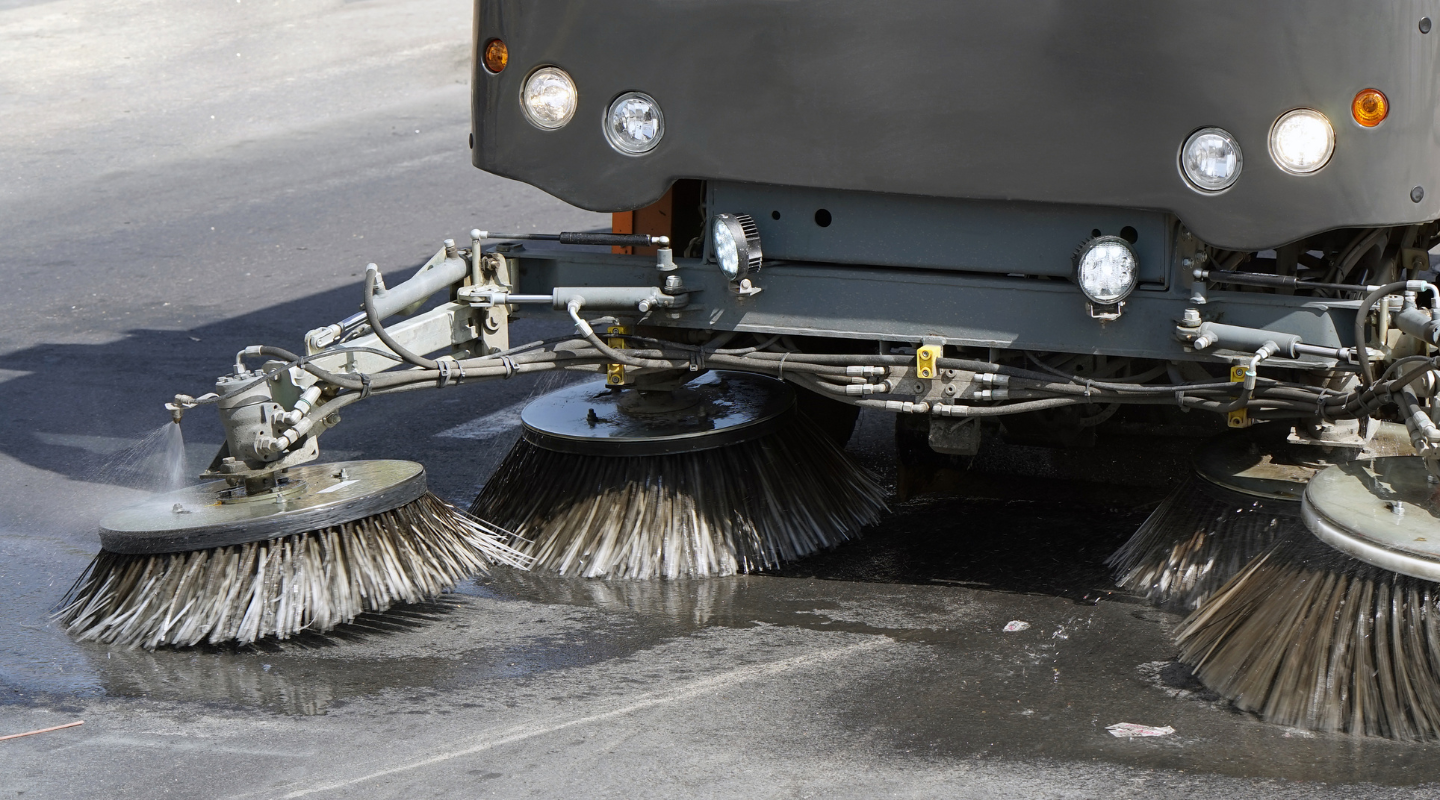
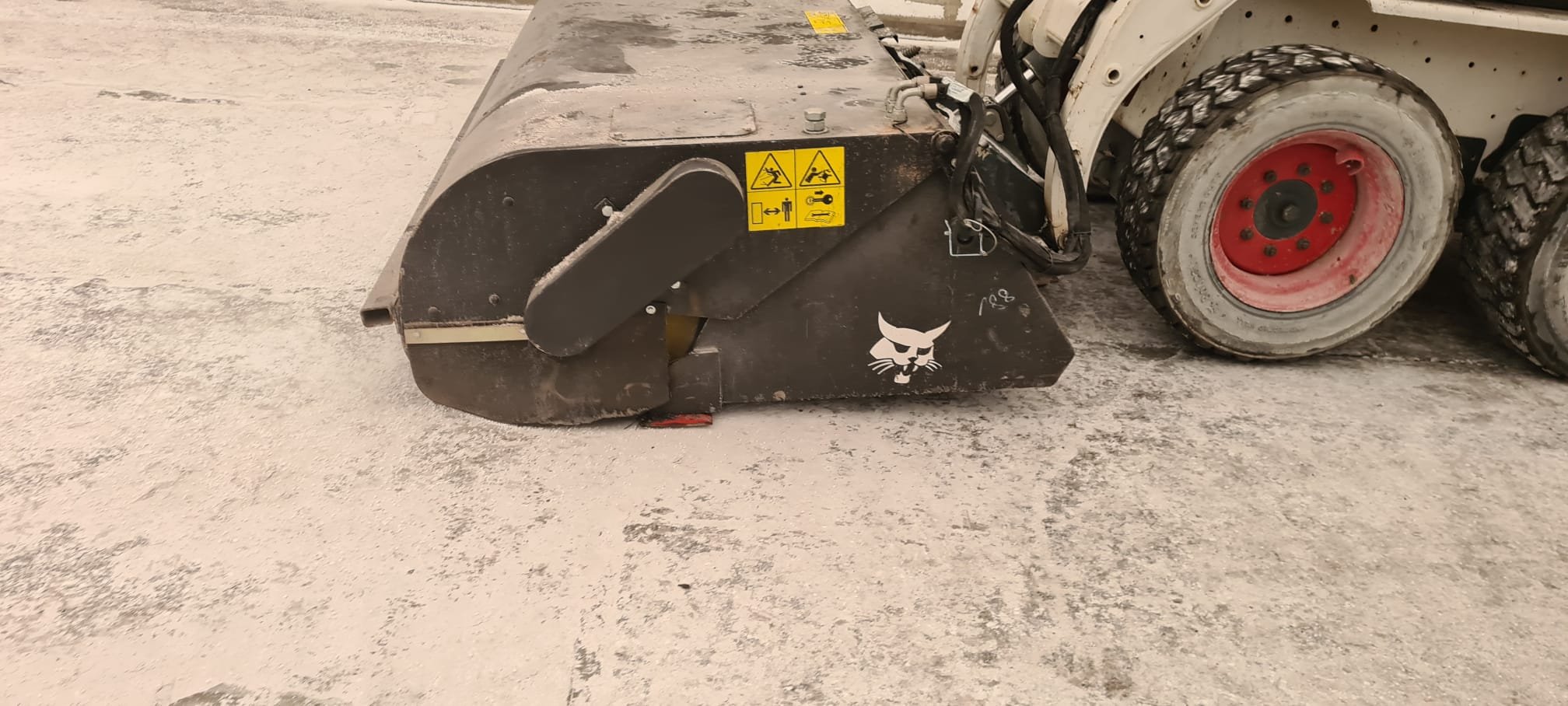
During the first quarter of 2024 all cleaning machines that we co-financed have been put into operation at our key partners which is: Fosfan, Baltic Stevedoring Company and Grupa Azoty Police. As the winter receded and the weather improved it enabled them to use the equipment at harbours, warehouses, and production areas where they handle fertilizers and phosphate rock. We have made a great step towards wrapping up port project as it will be concluded in 2. On the top of things there has been a huge progress with prevention cover designs. Covers will be installed at the seaports of our above-mentioned key partners.
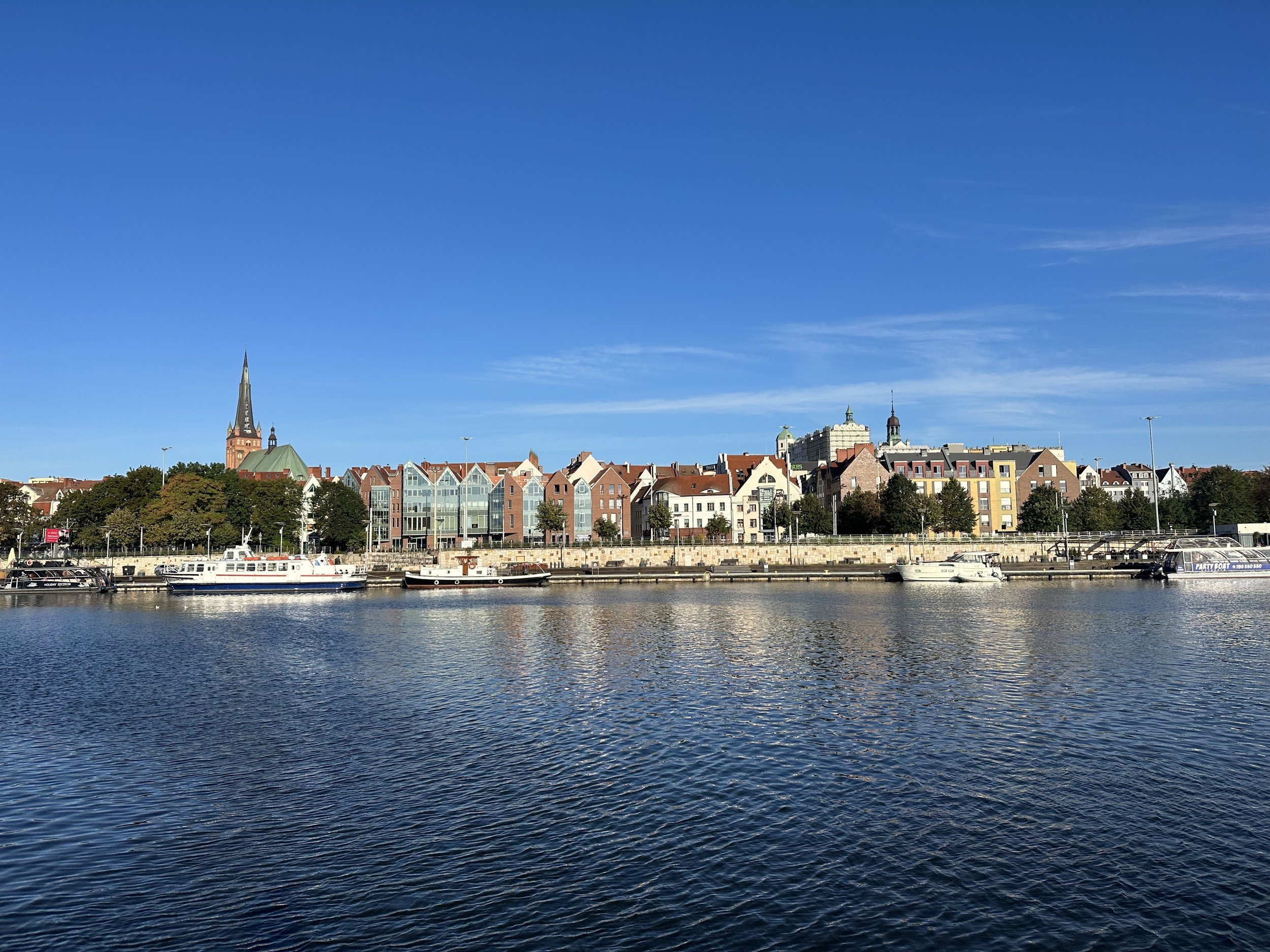
In Q3 2023, we've made notable progress in designing our new, strengthened prevention cover and identified new terminals interested in partnering with Race For The Baltic. As a result of the ongoing collaborations within the project we have also identified a new potential phosphorus source to the Baltic Sea, arising from increased grain handling activities in Polish ports.
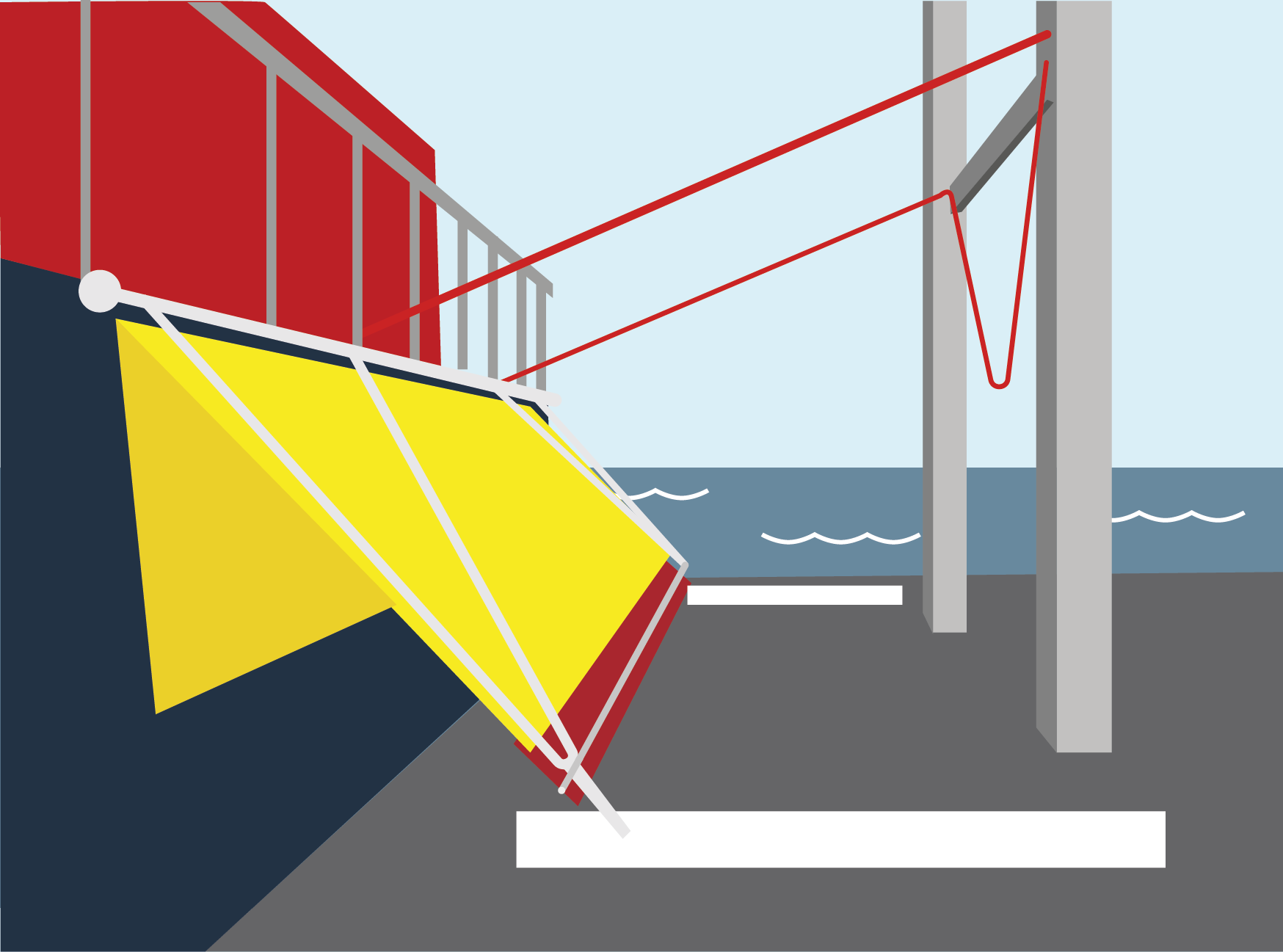
Improved handling of dry bulk cargo in ports can significantly help reduce environmental impact. An effective measure to prevent spillage of dry bulk cargo in port terminals and mitigate this risk is the implementation of prevention covers. These covers are designed to bridge the gap between the quay of the port terminal and the cargo ship.
In close collaboration with our Production project we have continued our work to prevent leakages in port terminals handling dry bulk. In the past quarter we made progress in several medium-sized terminals in north-western Poland, where discussions on various solutions took place. We see good opportunities to implement solutions in several of these port terminals in the near future.

We have successfully implemented a prevention cover for dry bulk fertiliser unloading at a terminal in Gdansk Port. Thanks to excellent cooperation, the cover is now fully operational. We are also in discussions with other terminals in the Szczecin Port area for similar measures. In addition, we recently co-hosted a workshop with HELCOM to discuss strategies for reducing nutrient emissions in Baltic Sea ports, attended by industry and government stakeholders.
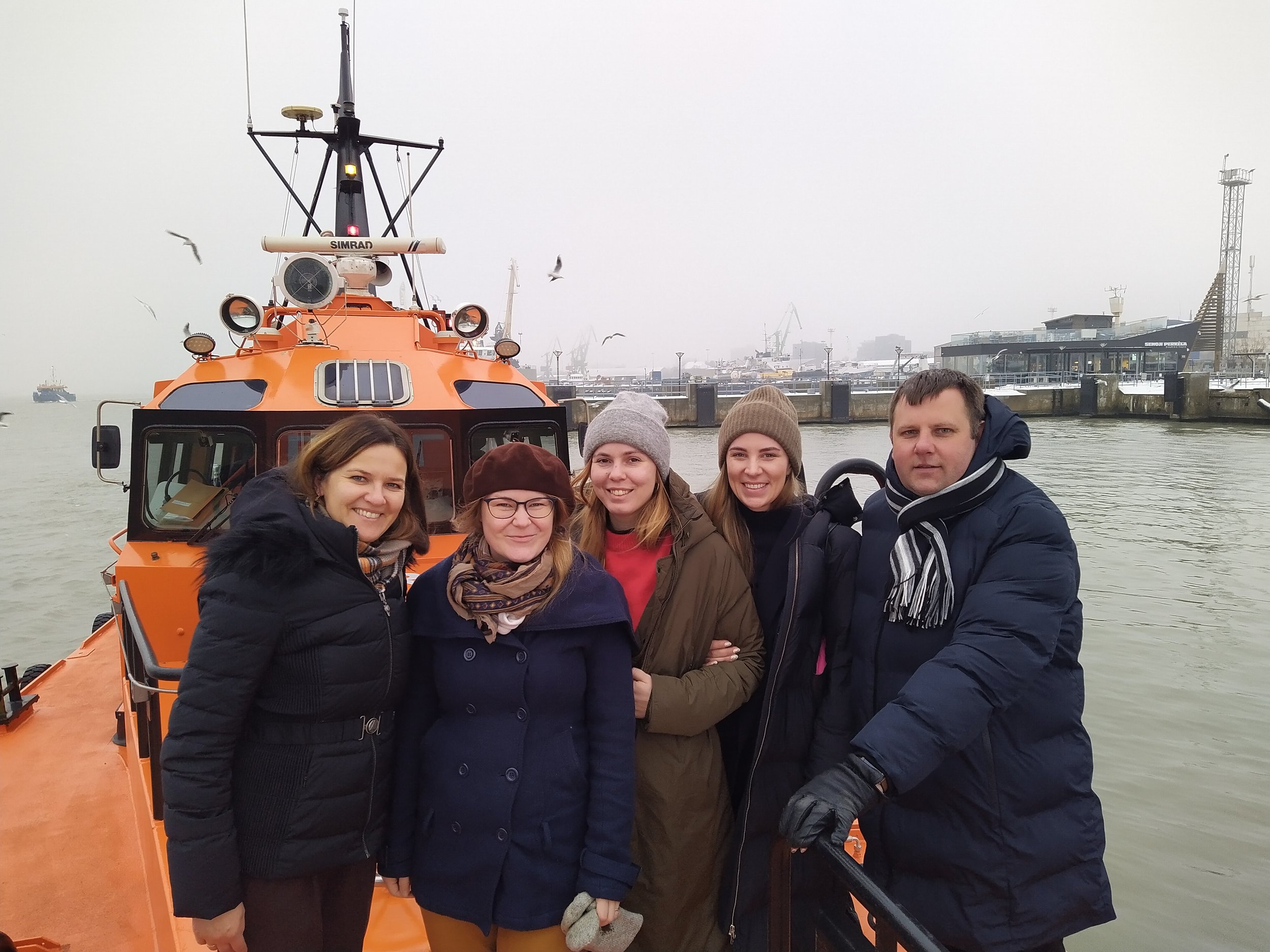
Port project members continued to visit terminals around the Baltic Sea. We were invited by the terminals in Szczecin Port in Poland and Port of Klaipeda in Lithuania for site visits and roundtable discussions about potential joint projects to reduce the nutrient emissions when handling bulk cargo in ports. We now will prioritize the identified projects based on their impact efficiency and subsequently aim to implement the projects that will have the maximum return for the Baltic Sea.

Since our last newsletter, the Port Project has broadened its presence in Poland, and we have been travelling west on the polish coastline to visit yet unexplored ports for our project. Race For The Baltic has also been asked to advise in HELCOMS document on BAT\BEP on how to minimize nutrient losses from dry bulk fertilizer storage and handling in ports in the Baltic Sea together with John Nurminen Foundation and Coalition Clean Baltic.
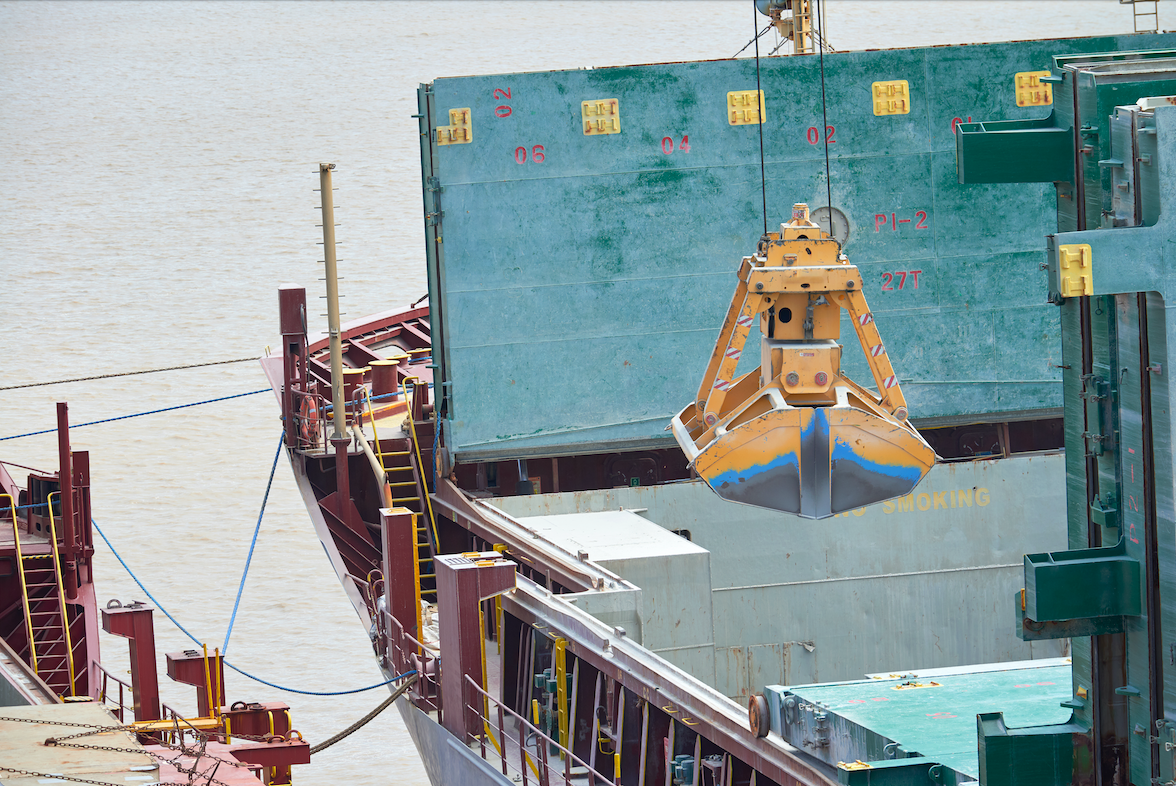
Already in its second quarter the Port project managed to achieve substantial results. Our project manager has managed to visit several terminals in Poland, despite the extraordinary situation in Polish ports following to the ongoing war. During these visits, we found roughly 10 tons of phosphoric rock spread on the ground and in open piles. Through bringing awareness about the potential consequences of this substance ending up in the sea the dialogue resulted in cleaning these areas – a great win for the Baltic Sea.
In addition two specific projects with two different terminals are being discussed and the project has successfully obtained contacts of interest on the other side of Poland’s coast, more specifically, Szczecin Port. An opportunity that will be unlocked directly after summer vacations.
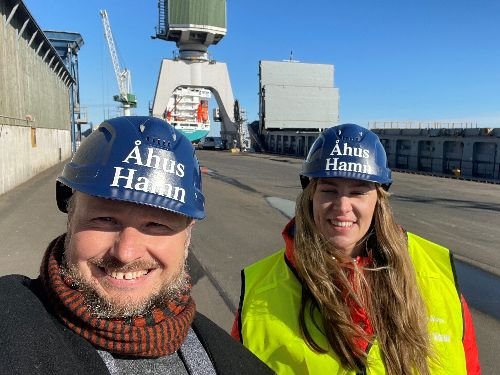
The Port Project has entered its next phase and will target even more ports where Race For The Baltic can implement initiatives against eutrophication. We have identified four ports in Poland and Lithuania where our prevention cover solution could have a great impact on the phosphorus inflow to the Baltic Sea.
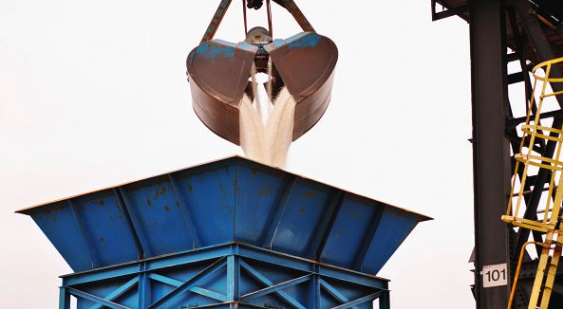
In 2021, three new prevention covers were installed in two countries. By now the Port project has prevented approximately five ton of phosphorus from ending up in the Baltic Sea.
Related news