
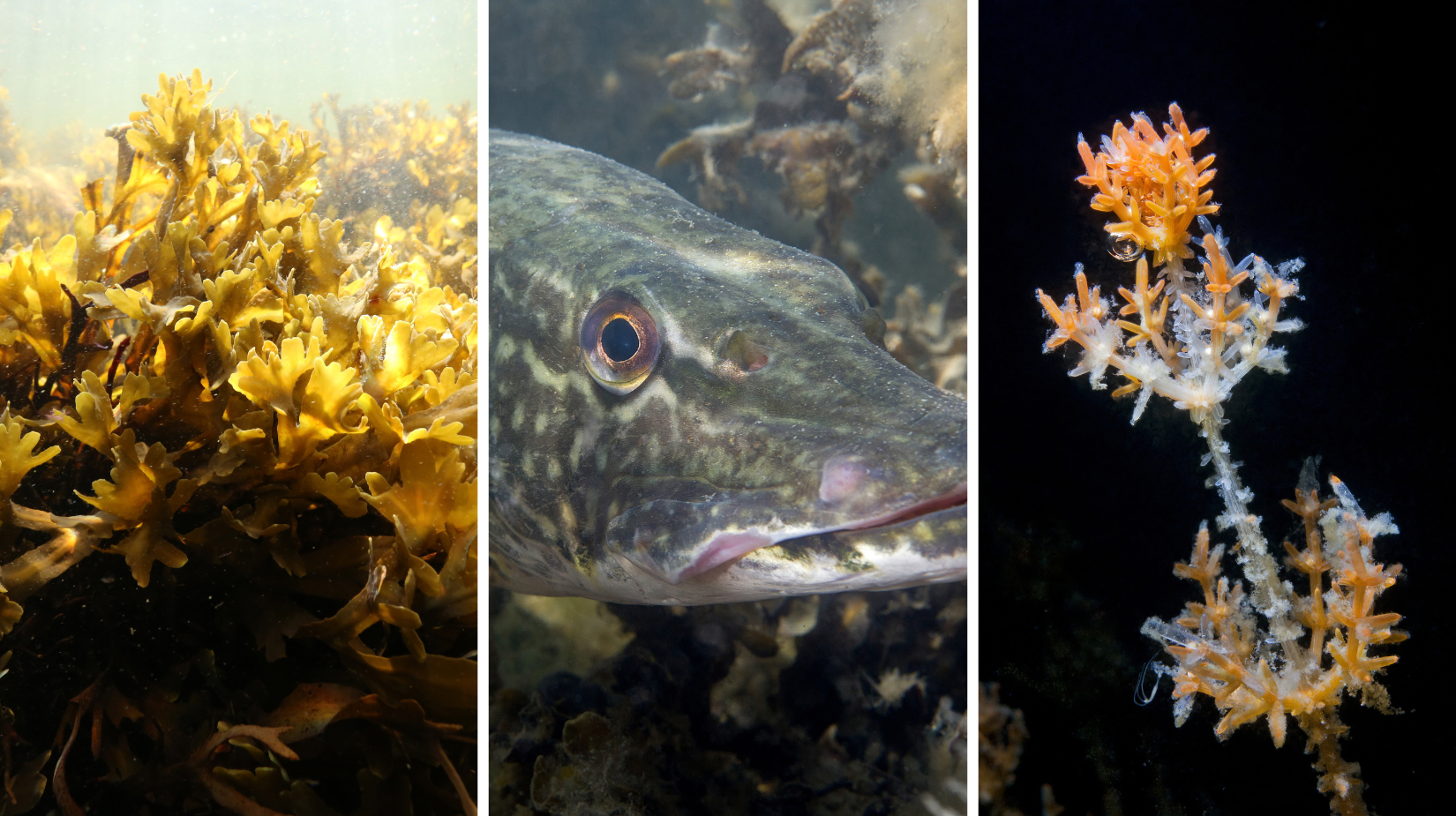
Photos: Pekka Tuuri
In September, all partners in the new EU Interreg Central Baltic project Resilient Sea met in Helsinki for their first physical project meeting. Hosted by the John Nurminen Foundation, the two-day kick-off created space to explore the science behind coastal restoration and build a shared understanding of the work ahead.
Discussions covered different pieces of the restoration puzzle, including internal phosphorus loading, monitoring needs, aluminium treatment and trophic cascades and their influence on the ecological status of bays. We also learned more about the Finnish PEMMA/SIGMA method, which helps identify and prioritise ecologically valuable underwater marine areas.
The discussions then moved outdoors with a field visit to Porolahti, a shallow and semi-enclosed urban bay in eastern Helsinki. Seeing the bay first-hand gave partners an opportunity to discuss restoration challenges and possibilities in a real coastal setting.
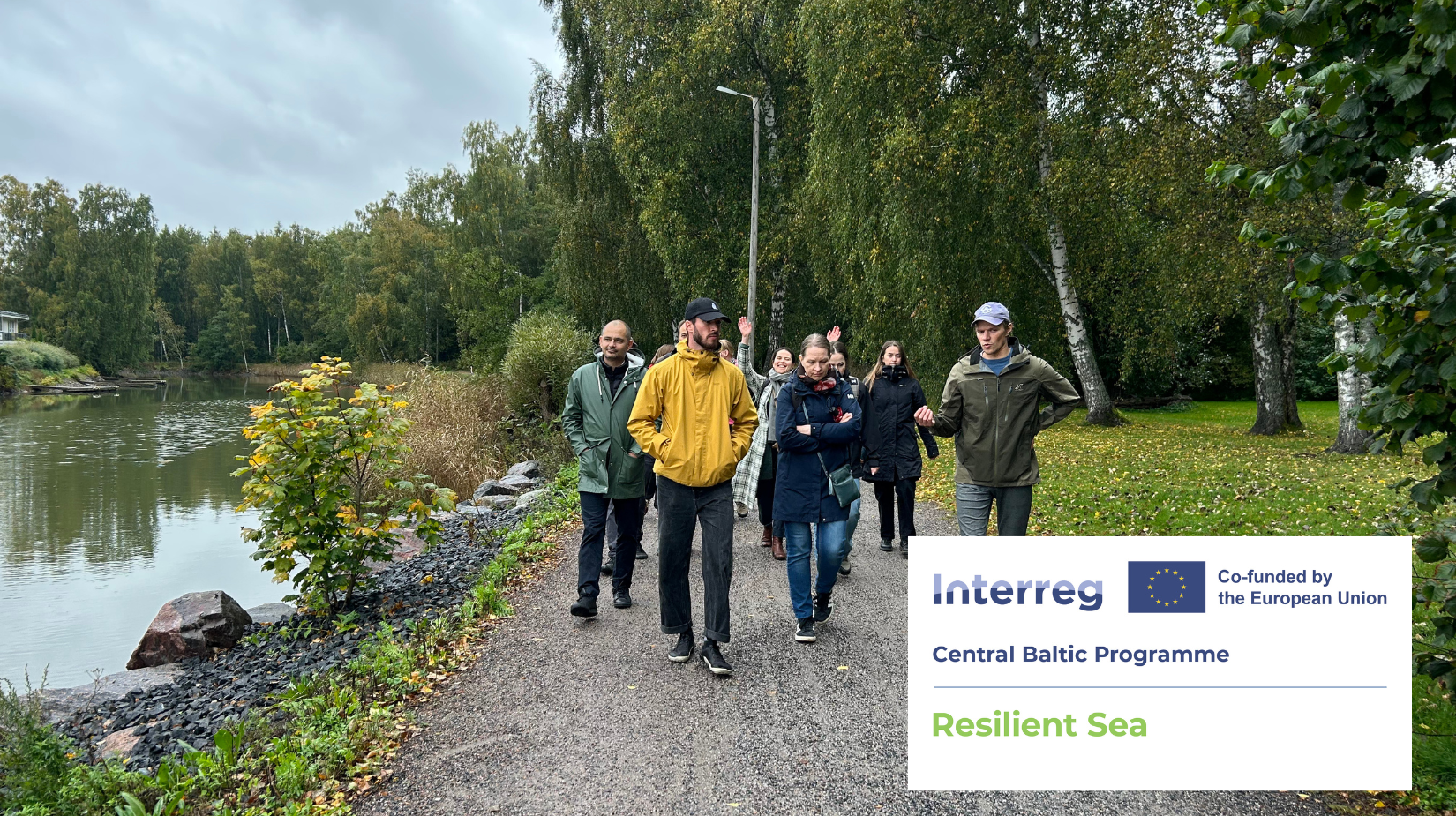
Field visit during during the two-day kick-off event in Helsinki.
Resilient Sea runs from May 2026 to April 2029 and aims to restore degraded coastal bays and strengthen marine conservation practices across the Central Baltic region.
The project brings together John Nurminen Foundation, City of Helsinki, County Administrative Board of Östergötland, Race For The Baltic, Swedish University of Agricultural Sciences (SLU), Turku University of Applied Sciences and the Government of Åland.
The project is co-funded by the European Union through the Interreg Central Baltic Programme.